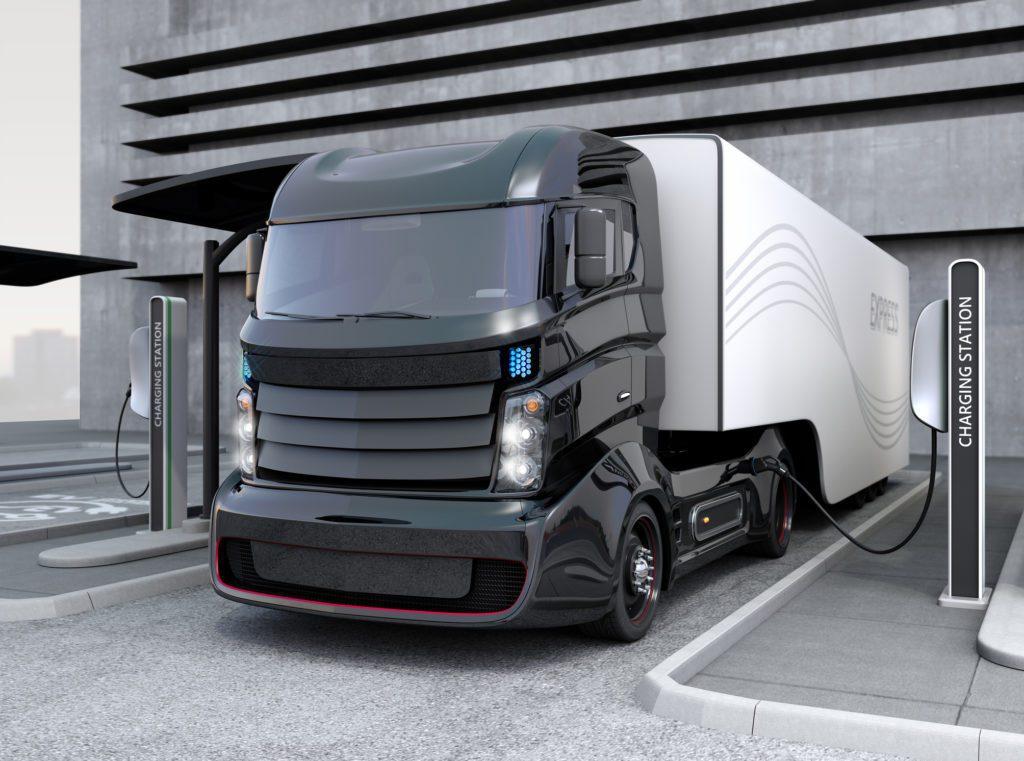
Driverless semi trucks are rapidly moving from futuristic concept to on-road reality, promising to revolutionize the freight industry with increased efficiency and reduced costs. However, as these autonomous vehicles begin to share highways across the United States, they are operating under a patchwork of minimal regulations, raising questions about safety, oversight, and the readiness of existing infrastructure. This article explores the advent of driverless semi trucks, the regulatory landscape-or lack thereof-governing their deployment, and the potential impacts on the economy and public safety.
Driverless Semi Trucks Hit the Road Amid Regulatory Uncertainty
Despite the technological breakthroughs enabling autonomous semi trucks to traverse highways with minimal human intervention, the regulatory landscape remains fragmented and largely undefined. Federal and state agencies are grappling with how to integrate these vehicles safely into existing traffic systems. In many regions, pilot programs and limited deployments are proceeding without standardized guidelines, prompting concerns from safety advocates and industry stakeholders alike. The clash between innovation and regulation highlights the urgent need for comprehensive policies to address liability, cybersecurity, and operational safety.
- Operational Challenges: Ensuring reliable performance in varied weather and traffic conditions
- Legal Ambiguities: Determining obligation in accidents involving autonomous trucks
- Infrastructure Readiness: Upgrading roads and communication networks to support driverless vehicles
- Environmental Impact: Potential reductions in emissions through optimized driving algorithms
Industry Leaders Promise Efficiency Gains and Reduced Emissions
Leading companies in autonomous trucking are advancing rapidly, positioning driverless semis at the forefront of the logistics revolution. Executives from these tech-driven firms assert that their vehicles will considerably enhance operational efficiency by optimizing fuel consumption, reducing human error, and enabling continuous 24/7 freight movement without mandated rest periods. Industry insiders highlight key benefits including:
- Up to 20% improved fuel economy through smart routing and driving algorithms
- Lowered accident rates by removing fatigue-related risks
- Streamlined cargo delivery schedules minimizing delays
Moreover, with global pressure mounting to reduce carbon footprints, these companies are betting autonomous trucks will be pivotal in driving emissions downward. Electric powertrains combined with adaptive cruise control and platooning technology promise to shrink greenhouse gas output while delivering goods faster and cheaper.
| Projected Efficiency Gains | Emission Reduction Targets |
|---|---|
| Fuel Savings: 15-20% | CO2 Reduction: 25% |
| Increased Uptime: 30% | NOx Emissions: 40% Less |
| Delivery Speed: +10% | Overall Carbon Footprint: -18% |
Safety Concerns Mount as Oversight Remains Limited
Despite enterprising claims about efficiency and cost savings, many experts warn that autonomous trucks are rolling onto highways without adequate regulatory frameworks. The current oversight is minimal, leaving critical questions about safety protocols unanswered. Concerns include the reliability of sensor systems under varying weather conditions and the capacity of artificial intelligence to handle unexpected road hazards without human intervention.
Industry stakeholders and safety advocates alike highlight several urgent gaps:
- Lack of standardized testing: No universal benchmarks exist to evaluate the readiness of driverless trucks before deployment.
- Insufficient incident reporting: Data on near-misses and minor accidents is scarce, obscuring true safety performance.
- Regulatory ambiguity: Jurisdictional inconsistencies complicate enforcement of safety regulations across state lines.
| Key Safety Factor | Current Status | Impact |
|---|---|---|
| Sensor Reliability | Varies with weather | High risk of detection failure |
| AI Decision-Making | Limited real-world testing | Unpredictable reactions |
| Regulatory Oversight | Fragmented policies | Inconsistent safety enforcement |
Experts Call for Comprehensive Rules to Govern Autonomous Freight Transport
Industry leaders and regulatory bodies alike emphasize the urgent need to establish clear and comprehensive guidelines for the operation of autonomous freight vehicles. As driverless semi trucks begin to integrate into the logistics ecosystem,questions surrounding safety standards,liability in the event of accidents,and cybersecurity measures remain largely unaddressed. Experts argue that without a cohesive regulatory framework, the rapid deployment of these technologies could lead to fragmented policies that undermine public trust and hinder innovation.
Key areas highlighted for immediate regulatory attention include:
- Safety certifications: Rigorous testing protocols to validate autonomous system performance under diverse road conditions.
- Data privacy and security: Measures to protect operational data from cyber threats and unauthorized access.
- Liability frameworks: Clear delineation of responsibility among manufacturers, software developers, and operators in the event of malfunctions or accidents.
- Environmental standards: Guidelines promoting sustainability and emissions reduction within autonomous freight transport.
| Regulatory Focus | Status | Recommended Action |
|---|---|---|
| Safety Testing | Partial | Standardized multi-agency protocols |
| Cybersecurity | Minimal | Mandatory encryption and audits |
| Liability Laws | Fragmented | Unified federal guidelines |
| Environmental Compliance | Underdeveloped | Incentives for clean tech adoption |
In Summary
As driverless semi trucks begin to traverse our highways with minimal regulatory oversight, the promise of increased efficiency and reduced costs hangs in the balance against pressing concerns over safety, labor impact, and accountability. The coming months will be critical as lawmakers, industry leaders, and the public grapple with how to integrate this transformative technology responsibly. The road ahead is uncertain, but one thing is clear: the era of autonomous freight transport has arrived, and its implications will be felt far beyond the open road.