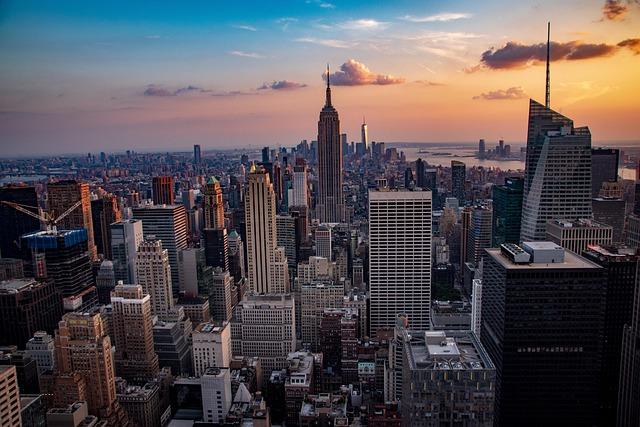
As New York City contends with an unrelenting surge of smoky air and soaring temperatures, residents are grappling with deteriorating air quality and escalating health risks.The recent influx of wildfire smoke, drifting thousands of miles from the western United States, has cast a hazy pall over the metropolis, prompting discomfort and concern among New Yorkers. This article explores the immediate impacts of the hazardous conditions on daily life, the city’s response measures, and the broader implications as climate change continues to drive extreme weather patterns.
New Yorkers Face Health Risks Amid Worsening Air Quality and Extreme Heat
New Yorkers are grappling with a surge in respiratory issues as the city endures days of thick, smoky air and soaring temperatures that far exceed seasonal averages. Residents report persistent irritation, with many describing symptoms such as stinging eyes, wheezing, and shortness of breath. Health professionals warn these conditions not only aggravate existing ailments like asthma and chronic bronchitis but also pose significant risks to vulnerable groups including children, the elderly, and those with pre-existing cardiovascular conditions. City hospitals have noted a noticeable uptick in emergency visits attributed to air quality-related health complications.
Amid this crisis, officials emphasize the importance of immediate protective measures to mitigate harmful exposure. Experts recommend limiting outdoor activities, especially during peak heat hours, and utilizing air purifiers where possible. To safeguard public health, local authorities have issued advisories highlighting:
- Stay indoors: Keep windows closed and use air conditioning to reduce smoke infiltration
- Hydration: Drink plenty of water to combat dehydration and heat stress
- Protective gear: Wear masks designed to filter fine particulate matter when venturing outside
- Community support: Check in on neighbors who may lack access to cooling resources
| Heat Index | Air Quality Index (AQI) | Recommended Actions |
|---|---|---|
| 100°F + | 150 (Unhealthy) | Limit outdoor activity, monitor symptoms closely |
| 90-100°F | 100-150 (Moderate to Unhealthy for Sensitive Groups) | Use masks, keep hydrated, avoid strenuous exercise |
| Below 90°F | 0-100 (Good to Moderate) | Standard precautions, maintain awareness |
Community Responses and City Initiatives to Combat Smoke and Heat Challenges
New Yorkers have shown remarkable resilience and solidarity in the face of the dual threats posed by persistent smoke and soaring temperatures. Community groups have swiftly mobilized, creating air quality monitoring networks using low-cost sensors to provide hyperlocal data. Residents are also organizing distribution drives for free N95 masks,aiming to protect vulnerable populations including seniors and children. Local nonprofits have established cooling centers in libraries and community halls, providing refuge for those without access to air conditioning. Grassroots efforts extend to educational campaigns, where volunteers share tips on minimizing indoor smoke exposure, hydration strategies, and recognizing heat-related illness symptoms.
City officials have simultaneously rolled out a multipronged response plan focused on both immediate relief and long-term adaptation. The Municipal Office for Emergency Management has expanded its hotline services to assist residents experiencing respiratory distress or heat emergencies. Funding has been accelerated for projects enhancing urban green spaces, which help mitigate heat islands and act as natural air filters. The Department of Environmental Protection is collaborating with public health agencies to disseminate daily air quality advisories via text alerts and social media. Below is a summary of key initiatives and their primary objectives:
| Initiative | Objective | Target Beneficiaries |
|---|---|---|
| Cooling Center Expansion | Provide safe, air-conditioned spaces | Seniors, Homeless, Low-income families |
| Mask Distribution Program | Protect lungs against smoke inhalation | All city residents, especially at-risk groups |
| Urban Greening Projects | Reduce heat island effect and improve air quality | Urban neighborhoods with limited greenery |
| Real-Time Air Quality Alerts | Keep citizens informed and prepared | General public, schools, outdoor workers |
Experts Advise Precautionary Measures to Protect Vulnerable Populations
Health professionals are urging New Yorkers, especially those most vulnerable such as the elderly, children, and individuals with pre-existing respiratory conditions, to take immediate steps to minimize exposure to the hazardous smoky air. Experts recommend staying indoors as much as possible, using air purifiers, and keeping windows and doors closed to reduce indoor pollution levels. For those who must go outside, wearing N95 masks is strongly advised to filter out harmful particulate matter effectively.
In addition to air quality precautions, the soaring temperatures across the city compound health risks, prompting authorities to open cooling centers and encourage hydration. Public health officials have compiled a list of essential safety tips:
- Use air conditioning or visit air-conditioned public places to avoid heat-related illnesses.
- Monitor symptoms such as coughing, shortness of breath, or chest pain, and seek medical help if they worsen.
- Limit physical exertion during peak heat hours.
- Check on neighbors who might potentially be at higher risk, ensuring they have access to clean air and cool environments.
| Vulnerable Group | Recommended Precaution |
|---|---|
| Elderly | Use air purifiers and stay hydrated |
| Children | Limit outdoor playtime and wear masks |
| Respiratory Patients | Maintain medication and avoid smoke exposure |
| Outdoor Workers | Take frequent breaks in shaded or cooled areas |
Long-Term Solutions Needed to Address Climate-Driven Environmental Hazards
As New York continues to grapple with the harsh realities of climate change,experts emphasize that reactive measures-like issuing air quality alerts or opening cooling centers-offer only temporary relief. Instead, lasting and systemic approaches are essential to mitigate the escalating risks posed by intense heatwaves and toxic smoke caused by wildfires thousands of miles away. Urban planners and city officials must prioritize green infrastructure, increase tree canopy coverage, and improve building designs to better withstand extreme temperatures and reduce pollution exposure.
Investment in these long-term strategies will not only protect public health but also enhance community resilience. Key initiatives include:
- Implementing thorough urban cooling projects,such as reflective roofing and shaded parks
- Upgrading public transportation to reduce reliance on high-emission vehicles
- Expanding early warning systems to better prepare vulnerable populations
- Advocating for stronger national climate policies and coordinated regional response plans
| Solution | Impact | Timeline |
|---|---|---|
| Urban Greening Projects | Reduces city heat islands by up to 5°F | 3-5 years |
| Public Transit Electrification | Cut emissions by 30% | 5-10 years |
| Early Warning Systems | Improves emergency response time | 1-2 years |
Future Outlook
As New Yorkers continue to grapple with hazardous air quality and unrelenting heat,health officials urge residents to take precautions,especially the most vulnerable populations. The intersecting challenges of smoke and soaring temperatures highlight the growing impact of climate-related events on urban communities. With forecasts indicating these conditions may persist, authorities emphasize the importance of timely facts and access to relief measures as the city seeks to protect public health amid unprecedented environmental stress.