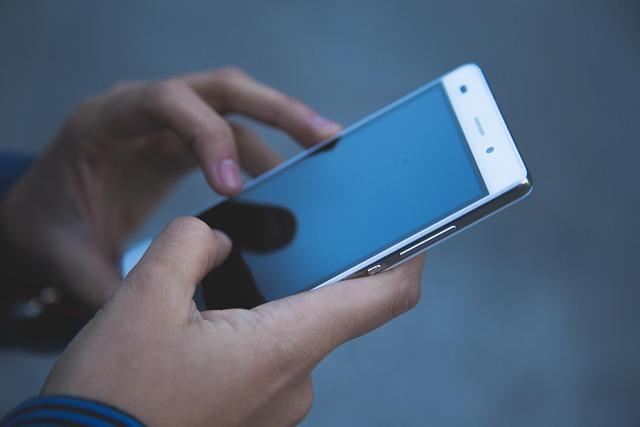
In an effort to combat distractions and improve student well-being, numerous schools across the United States have implemented bans on mobile phones during school hours. However, this policy shift has sparked a broader conversation among teenagers who are calling not just for stricter digital boundaries but for enhanced offline mental health support and resources within their educational environments. As schools navigate the complexities of technology management and student welfare, teens’ demands highlight a growing need for thorough approaches that address the underlying stresses beyond screen time alone.
Schools Nationwide Enforce Phone Bans to Combat Distraction and Boost Focus
In response to growing concerns over student engagement and mental health, numerous schools across the country have introduced strict regulations restricting the use of smartphones during class hours. Educators report improved attention spans and classroom interactions since the implementation, highlighting a notable decline in distractions caused by social media notifications and texting. Though, while the bans aim to foster academic focus, many students express frustration over the absence of accessible digital resources and peer dialog in an increasingly connected world.
Teens are calling for more comprehensive offline support systems to accompany these phone restrictions. They emphasize needs such as:
- Enhanced mental health counseling accessible in person
- Increased extracurricular activities promoting social interaction
- Workshops on digital literacy and balanced technology use
- Improved school facilities for collaborative study without screens
| School Type | Phone Ban Status | Reported Benefits |
|---|---|---|
| Public High Schools | Majority Enforced | Higher test scores,fewer distractions |
| Private Schools | Moderate Adoption | Improved social engagement |
| Charter Schools | Selective Enforcement | Mixed results reported |
Teens Voice Growing Concern Over Lack of Offline Mental Health Resources
Across many schools implementing strict bans on phone usage,students are increasingly vocal about the growing gap in accessible,offline mental health support. While digital tools and apps have been promoted as convenient solutions, teens emphasize that these resources often lack the human connection and immediacy they crave during stressful moments. In interviews, young people consistently report feeling isolated, underscoring that face-to-face counseling and peer support groups remain irreplaceable pillars of their well-being.
Data from a recent survey highlights the disparity in availability and preference for various support systems:
| Support Type | Availability in Schools | Teens’ Preference (%) |
|---|---|---|
| In-person Counseling | 35% | 72% |
| Peer Support Groups | 22% | 65% |
| Digital Apps & Hotlines | 80% | 40% |
- Many teens stress the critical need for increased funding to expand trained counselors on campus.
- There is a call for safe, welcoming spaces where students can openly discuss mental health without stigma.
- Advocacy groups argue schools must balance policy with accessibility, ensuring reforms do not inadvertently deepen isolation.
Experts Call for Comprehensive Support Systems Beyond Digital Restrictions
While many educational institutions have moved swiftly to restrict phone usage during school hours,experts argue that such digital bans address only a fraction of the broader emotional and social challenges adolescents face. Psychologists and educators emphasize the importance of developing holistic support frameworks that integrate mental health resources, peer mentorship programs, and accessible counseling services. These multifaceted strategies are crucial in fostering resilience and well-being among students, beyond simply limiting screen time.
- Enhanced counseling accessibility: More on-site professionals trained in adolescent psychology.
- Peer support networks: Structured groups encouraging open conversation and community.
- Parent and teacher education: Workshops equipping adults to recognize and address stress and anxiety.
- Extracurricular engagement: Opportunities promoting creativity, physical health, and social bonding.
| Support Element | Benefits | Implementation |
|---|---|---|
| Counseling Services | Improved mental health outcomes | Daily availability, confidential sessions |
| Peer Mentorship | Increased student connectedness | Weekly group meetings, training mentors |
| Parental Workshops | Enhanced home support | Monthly seminars, resource guides |
| Extracurriculars | Reduced stress, better engagement | Clubs, sports, arts programs |
Recommendations for Schools to Balance Technology Use with Enhanced Human Connection
To nurture an environment where technology serves as a tool rather than a distraction, schools should implement structured tech-free intervals throughout the day.These intentional breaks encourage face-to-face interactions, promoting empathy and collaboration among students. Additionally, investing in trainings for educators to recognize signs of digital fatigue can help tailor their approaches to meet the emotional and academic needs of their pupils.Establishing dedicated zones on campus, such as “device-free lounges”, provides safe spaces for students to unwind and connect without screens.
Students benefit from a balanced blend of online innovation and offline support, and schools can foster this through community-building activities that prioritize human connection. Incorporating peer-led programs encourages accountability and mutual support, while partnerships with mental health professionals ensure holistic care. Below is a simple model demonstrating key areas for balanced integration of tech and human interaction:
| Focus Area | Technology Role | Human Connection Role |
|---|---|---|
| Classroom Learning | Interactive digital tools to enhance engagement | Group discussions and collaborative projects |
| Break Times | Minimal to none | Social games and peer conversations |
| Mental Health Support | Anonymous online check-ins | In-person counseling and support groups |
The Conclusion
As schools nationwide continue to grapple with the role of smartphones in the classroom, the ongoing debate underscores a deeper need for comprehensive offline support for students. While bans aim to curb distractions and improve focus, teens’ calls for more mental health resources and in-person engagement highlight that addressing their well-being requires more than just limiting screen time.Policymakers and educators alike face the challenge of balancing technology restrictions with meaningful support systems that nurture students’ academic and emotional growth in an increasingly digital world.