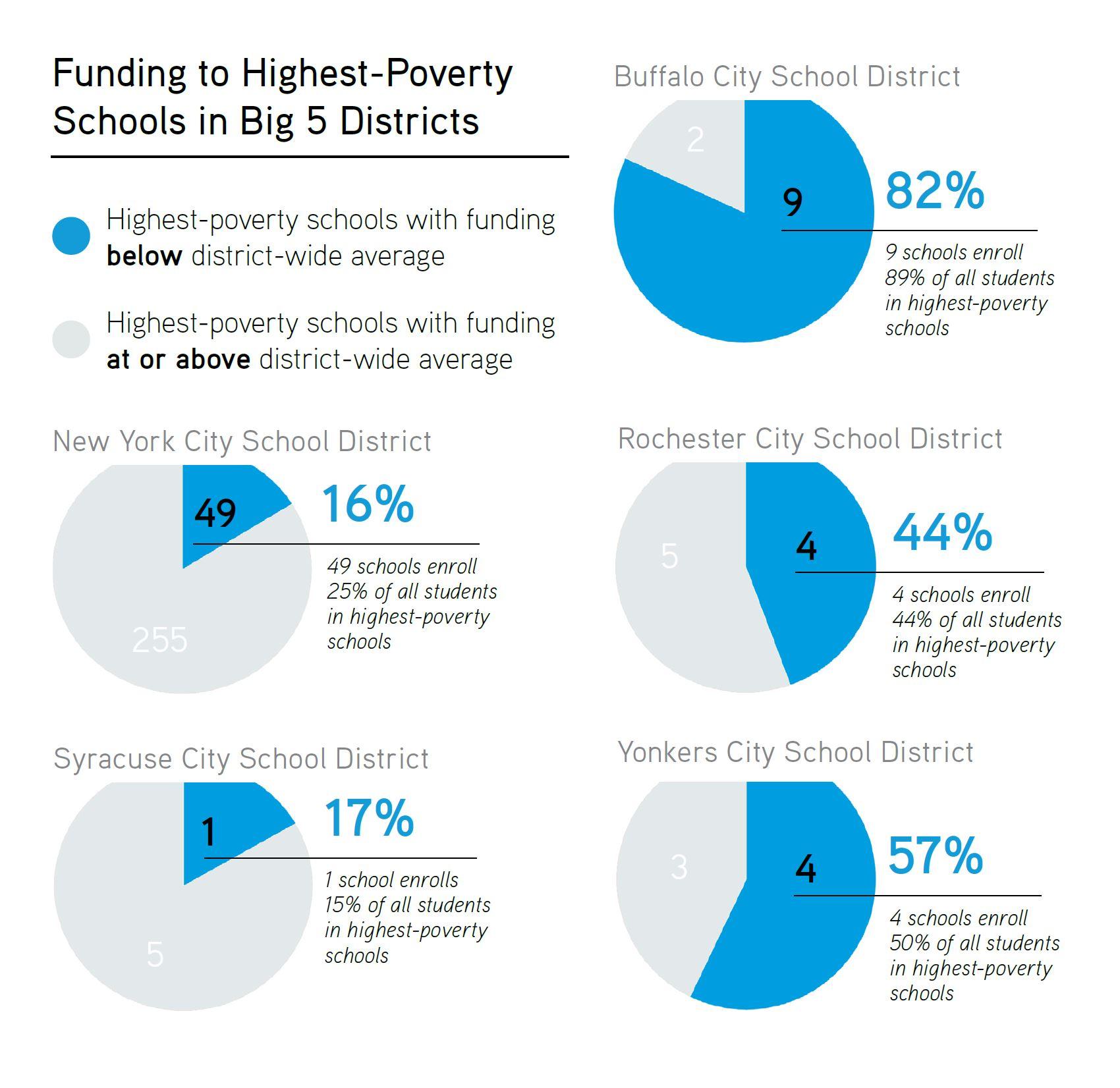
New York City’s public schools, serving over one million students across the city’s five boroughs, rely on a complex web of funding sources to support their vast educational infrastructure. As the 2024 fiscal year approaches, state and city officials are grappling with budget allocations that will directly impact classroom resources, teacher staffing, and student programs. This article takes a close look at the current funding landscape for New York City Public Schools, examining governmental budgets, recent policy changes, and the ongoing challenges faced in ensuring equitable funding for all students.
Challenges Facing New York City Public School Funding
Struggling to meet the diverse needs of over a million students, New York City’s public school funding model faces multiple hurdles that hinder educational equity. One significant challenge is the disparity in resource allocation across districts,where schools in economically disadvantaged neighborhoods receive less funding relative to their wealthier counterparts. Additionally, the reliance on property taxes creates inconsistencies, as neighborhoods with lower property values generate less local revenue, exacerbating funding gaps. These fiscal inequities impact everything from classroom sizes to access to technology and extracurricular activities.
Beyond financial disparities,the inflexible nature of funding formulas poses obstacles to addressing urgent needs effectively. The city’s budget must juggle increasing costs related to special education, English Language Learner programs, and infrastructure maintenance, often without commensurate increases in funding. Compounding these issues are administrative challenges such as bureaucratic delays and complex compliance requirements, which can stall the timely deployment of critical resources. Below is a snapshot of key challenges contributing to the city’s funding difficulties:
- Unequal resource distribution driven by local funding disparities
- Rigid funding formulas that limit adaptability
- Rising costs for specialized education programs
- Bureaucratic inefficiencies causing delays in fund allocation
| Challenge | Impact | Potential Solution |
|---|---|---|
| Funding Disparities | Unequal access to technology and staff | Adopt weighted student funding formulas |
| Cost Increases | Budget shortfalls strain programming | Increase state and federal supplemental aid |
| Administrative Delays | Late resource delivery to schools | Streamline fund disbursement processes |
Impact of Budget Allocations on Student Performance
Recent studies reveal a direct correlation between the allocation of budgetary resources and the academic outcomes of students across New York City public schools. Schools that receive increased funding for essential programs such as tutoring, technology upgrades, and extracurricular activities tend to demonstrate higher standardized test scores and graduation rates. Conversely, institutions facing budget cuts frequently enough encounter challenges like larger class sizes and fewer support services, which can negatively affect student achievement and engagement.
Key areas where funding significantly influences student success include:
- Teacher quality and retention: Competitive salaries attract experienced educators.
- Access to learning materials: Updated textbooks and digital resources enhance learning.
- Student support services: Counseling and special education programs address diverse needs.
- Facility improvements: Safe,modern environments foster better concentration and attendance.
| Budget Category | Change in Funding (%) | Average Impact on Test Scores (%) |
|---|---|---|
| Teacher Salaries | +15 | +8 |
| Technology | +20 | +5 |
| Student Programs | +10 | +7 |
| Facilities | +5 | +3 |
Innovative Approaches to Equitable Resource Distribution
To ensure that every student benefits from fair access to educational resources, New York City has embraced a range of groundbreaking methods that prioritize equity. Central to these efforts is the deployment of data-driven funding formulas that allocate financial support based on specific district needs, including socioeconomic factors, enrollment demographics, and local cost of living. These formulas are complemented by targeted grants that empower schools serving historically under-resourced communities, enabling investments in advanced technology, specialized staff, and tailored academic programs.
Key components of this strategic approach include:
- Dynamic budgeting that adjusts annually with real-time student data
- Collaborative partnerships with community organizations to amplify impact
- Innovative grant programs incentivizing pilot projects and scalable solutions
- Transparent reporting tools that allow public monitoring of resource distribution
| Initiative | Description | Impact Metrics |
|---|---|---|
| Weighted Student Funding | Allocates funds based on student needs | +15% funding for high-need schools |
| Community Innovation Grants | Supports local nonprofit educational programs | 500+ programs funded annually |
| Equity Dashboard | Public portal tracking investments by district | Increased transparency & engagement |
Policy Recommendations for Sustainable Education Investment
To ensure long-term success in funding New York City public schools, policymakers must prioritize equitable allocation of resources that address the diverse needs of all students, especially those in underfunded communities. This requires establishing dedicated funding streams that are protected from budget cuts during economic downturns. Additionally,strengthening partnerships with local businesses and philanthropic organizations can provide supplemental financial support while fostering innovative educational programs tailored to 21st-century skills.
Investment strategies should also focus on data-driven accountability measures to track the impact of expenditures on student outcomes. Embedding transparency and community involvement in budgeting decisions ensures funds are used efficiently and meet the evolving demands of the school population. Key recommendations include:
- Implementing multi-year budget plans for stable investment
- Increasing teacher compensation to attract and retain talent
- Expanding infrastructure modernization for safe and technology-equipped schools
- Allocating funds specifically for mental health and extracurricular programs
| Recommendation | Expected Benefit | Priority Level |
|---|---|---|
| Multi-year budget plans | Financial stability | High |
| Teacher compensation increase | Retention & quality teaching | High |
| School infrastructure upgrades | Improved learning environments | Medium |
| Mental health funding | Student well-being | Medium |
Wrapping Up
the funding of New York City public schools remains a critical issue that directly impacts the quality of education for millions of students. As policymakers continue to navigate budget allocations and advocate for equitable resources, the future of the city’s education system depends on transparent and sustained investment. Stakeholders from parents to public officials must stay engaged in this ongoing conversation to ensure that every child in New York City has access to the tools and opportunities they need to succeed.