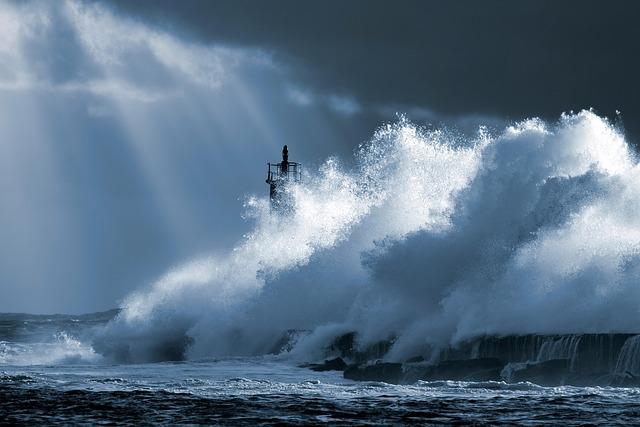
A powerful Nor’easter storm has unleashed heavy rainfall and fierce winds along the Eastern Seaboard, causing widespread flooding and disruption from New Jersey through the New England states. The severe weather system, which intensified overnight, has prompted emergency responses as coastal communities grapple with rising waters and hazardous conditions. The Guardian reports on the unfolding impact of this major storm on infrastructure, transportation, and residents throughout the region.
Nor’easter Storm Brings Severe Flooding to Coastal Regions from New Jersey to New England
Intense nor’easter conditions battered the eastern seaboard this week, unleashing relentless rain, powerful winds, and historic storm surges. Coastal communities stretching from New Jersey to New England reported widespread disruptions as floodwaters inundated streets, homes, and critical infrastructure.Emergency services have been mobilized across multiple states to assist residents affected by rising water levels and power outages. Authorities issued urgent evacuation orders in low-lying areas, urging people to seek higher ground to avoid the rapidly advancing floodwaters.
The storm’s impact has been especially severe in vulnerable zones, with numerous road closures and delays in public transportation systems. Key details of the flooding incidents include:
- New Jersey: Coastal towns faced historic high tides, with several riverbanks overflowing.
- New York: Subway and commuter rail services experienced notable interruptions due to water infiltration.
- Massachusetts & Rhode Island: Widespread beach erosion and collapsed seawalls were reported.
| State | Max Flood Height (ft) | Evacuated Residents | Power Outages |
|---|---|---|---|
| New Jersey | 7.5 | 3,200 | 45,000 |
| New York | 6.8 | 2,500 | 38,000 |
| Massachusetts | 8.0 | 4,100 | 52,300 |
| Rhode Island | 7.1 | 1,800 | 15,600 |
Impact on Communities and Infrastructure in Affected Areas
The nor’easter unleashed severe flooding across numerous coastal towns, leaving communities grappling with unprecedented damage. Residents in affected areas faced widespread power outages and disruptions to essential services, complicating recovery efforts. Many homes were inundated with water, forcing evacuations and straining emergency response teams. The impact was especially profound in low-lying neighborhoods,where storm surges overwhelmed existing flood defenses.
Infrastructure also took a significant hit, with transportation networks and utilities suffering extensive damage. Key highways were submerged or blocked by debris, leading to long closures and detours.Public transit systems, including ferries and rail lines, were temporarily suspended due to safety concerns. Below is a summary of the storm’s impact on critical infrastructure in some of the hardest-hit regions:
| Region | Road Closures | Power Outages | Public Transit |
|---|---|---|---|
| New Jersey Shore | 20+ major roads | Over 150,000 homes | Bus routes suspended |
| Connecticut Coast | 15+ roads flooded | 80,000+ outages | Rail service delayed |
| Massachusetts Beaches | 10 road closures | 50,000+ outages | Ferry service halted |
- Emergency shelters were activated to assist displaced families.
- Municipal officials urged residents to avoid hazardous areas and prioritize safety.
- Cleanup efforts are expected to continue for weeks as roads and utilities are restored.
Meteorologists Warn of Continuing Heavy Rain and High Tides
Forecasters emphasize the persistence of severe weather conditions across the northeastern United States, urging residents to remain vigilant as torrential rain continues to inundate already saturated landscapes. The combination of relentless downpours and elevated tidal activity has led to significant flooding, particularly in vulnerable coastal communities stretching from New Jersey to southern New England. Emergency management officials are closely monitoring water levels, warning that rivers and urban drainage systems may become overwhelmed in the coming days.
Key factors contributing to the ongoing hazardous conditions include:
- Sustained heavy precipitation: Rainfall rates exceeding 2 inches per hour in localized areas.
- Elevated high tide cycles: Spring tides compounding storm surge impacts.
- Strong onshore winds: Driving waves and water levels further inland.
| Region | Current Flood Advisory | High Tide Timing |
|---|---|---|
| New Jersey Shore | Moderate Flooding | 3:45 PM and 4:10 AM |
| Long Island Coast | Severe Flooding | 4:20 PM and 4:55 AM |
| Southern New England | Minor Flooding | 4:00 PM and 4:30 AM |
Emergency Preparedness Tips for Residents Facing Flood Risks
Residents in flood-prone coastal areas should prioritize creating an actionable safety plan. This begins with identifying safe evacuation routes and establishing a interaction strategy with family members to ensure everyone remains informed before, during, and after the storm. It’s crucial to keep essential documents and emergency supplies in a waterproof container, ready to grab at a moment’s notice. Planning directly saves lives when severe flooding threatens to cut off normal means of assistance.
Ensuring proper home readiness can considerably mitigate flood damage. Simple measures include elevating electrical appliances,sealing basement walls,and clearing gutters and drains to prevent water buildup. Below is a quick checklist designed to help prioritize essential actions:
- Monitor local weather updates regularly
- Assemble an emergency kit with water, food, and medications
- Charge mobile devices and have backup batteries ready
- Secure outdoor furniture and move valuables to higher areas
| Flood Level | Recommended Action |
|---|---|
| Watch | Prepare to evacuate, stay tuned to alerts |
| Warning | Leave immediately if in a flood zone |
| Emergency | Seek higher ground, avoid floodwaters |
Insights and Conclusions
As communities from New Jersey to New England begin the daunting task of recovery, officials continue to monitor weather conditions closely, issuing warnings for potential further flooding and hazardous travel. The Nor’easter’s impact serves as a stark reminder of the region’s vulnerability to severe winter storms and the ongoing challenges posed by extreme weather events. Residents are urged to stay informed and follow local advisories as cleanup efforts proceed across the affected coastal areas.