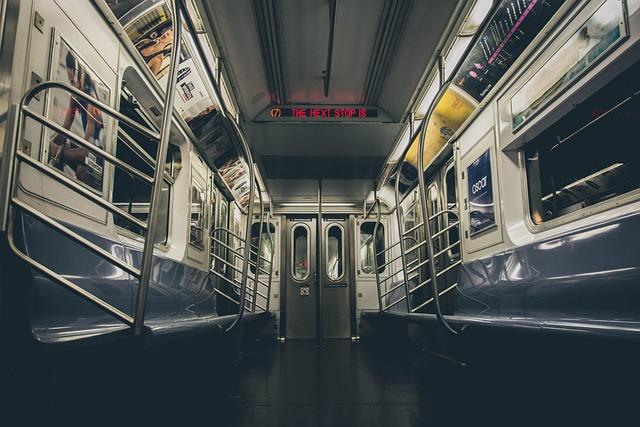
New York City’s transit system, long hailed as the lifeblood of the metropolis, is facing a critical juncture as riders confront mounting challenges. In a renewed push for improved service, greater accountability, and enhanced safety, advocates and commuters alike are mobilizing to demand a more reliable and equitable transit experience. This op-ed explores the latest efforts to champion the rights and needs of New York City’s transit users, underscoring the urgency of revitalizing one of the nation’s largest and most complex public transportation networks.
Challenges Facing New York City’s Transit Riders Today
New York City’s transit system, a lifeline for millions, faces escalating obstacles that erode the daily commuting experience. Riders regularly confront unpredictable delays, frequent service disruptions, and aging infrastructure that struggles to meet growing demand. Beyond the physical shortcomings, there is a pressing concern over safety – with increased reports of harassment and crime fueling anxiety among passengers. For many, these compounded challenges threaten not just convenience but their capacity to access employment, education, and essential services.
Moreover,the financial burden of commuting continues to rise,disproportionately impacting low-income communities who rely heavily on public transit. The multifaceted struggles can be summarized as:
- System reliability: frequent delays and outdated equipment
- Safety concerns: heightened crime rates and poor lighting in stations
- Affordability: increasing fares amidst stagnant wages
- Accessibility: insufficient accommodations for riders with disabilities
| Issue | Impact on Riders | Proposed Solutions |
|---|---|---|
| Delays & Cancellations | Lost time, missed connections | Modernize signaling systems |
| Safety | Increased rider anxiety | Enhanced policing & lighting |
| Rising Fares | Increased financial strain | Fare subsidies for low-income riders |
| Accessibility Gaps | Limited mobility options | Station upgrades & elevator repairs |
Addressing Inequality in Public Transportation Access
New York City’s vast public transportation network is a lifeline for millions, yet disparities in service quality and accessibility persist, disproportionately affecting low-income communities and people of color. Communities in the outer boroughs frequently face longer wait times, fewer connections, and aging infrastructure that compromises safety and reliability. These disparities not only limit economic opportunities but also exacerbate social and environmental injustices, creating a cycle of exclusion for vulnerable populations.
Addressing these issues requires a multifaceted approach:
- Investment in underserved neighborhoods: Upgrading stations, expanding bus routes, and increasing train frequency to ensure equitable service.
- Community engagement: Involving local residents in transit planning to tailor solutions that meet their specific needs.
- Policy reforms: Implementing fare structures that consider economic hardship and ensuring enforcement of anti-discrimination laws within transit systems.
| Neighborhood | Average Commute Time (minutes) | Access to Express Service | Station Condition Rating* |
|---|---|---|---|
| East New York, Brooklyn | 45 | No | 3/5 |
| Norwood, Bronx | 40 | Limited | 2/5 |
| Flushing, Queens | 35 | Yes | 4/5 |
| Upper East Side, Manhattan | 25 | Yes | 5/5 |
| *Rating based on facility maintenance, cleanliness, and accessibility | |||
Strategies to Improve Service Reliability and Safety
To reclaim the trust of millions who rely on New York City’s transit system daily, targeted investments in infrastructure and technology are paramount. First,enhancing signal modernization programs will reduce delays and prevent cascading breakdowns of service. Complementing these upgrades, improving real-time communication technology enables both operators and riders to stay informed, enhancing efficiency and user confidence. Equally important is a rigorous maintenance schedule that prioritizes safety-critical components, ensuring the prevention of accidents before they occur.
Beyond infrastructure, operational reforms are essential to bolster safety and reliability. These include:
- Expanded staffing of safety inspectors and emergency response teams to quickly address incidents and system vulnerabilities.
- Increased training programs focusing on crisis management and customer service for frontline workers.
- Deployment of platform screen doors in high-traffic stations to minimize accidents and unauthorized track access.
| Key Initiative | Projected Impact | Timeline |
|---|---|---|
| Signal System Upgrade | 30% Reduction in Delays | 2024-2027 |
| Real-Time Communication Platforms | Improved Rider Data | 2024-2025 |
| Platform Screen Doors | Elimination of Track Accidents | 2025-2030 |
| Safety Staff Expansion | Faster Emergency Response | Ongoing |
Policy Recommendations for a More Inclusive Transit Future
To bridge the gap between accessibility and efficiency, transit authorities must prioritize investments that foster equitable service for all New Yorkers. This includes expanding late-night and weekend service to accommodate nontraditional work schedules, as well as implementing fare policies that lower financial barriers for low-income riders. Emphasizing technologies such as real-time service updates and multilingual navigation tools can empower diverse communities, ensuring no one is left behind in the city’s transit ecosystem.
Key strategies include:
- Introducing a citywide low-income fare programme aligned with federal guidelines.
- Upgrading infrastructure for complete ADA compliance across subway stations and bus stops.
- Increasing funding for community engagement to shape transit planning that reflects rider needs.
- Leveraging data-driven approaches to optimize routes serving underserved neighborhoods.
| Policy Area | Proposed Action | Expected Impact |
|---|---|---|
| Fare Equity | Income-based discounts | Increased affordability for 30% of riders |
| Accessibility | Station retrofits and elevators | Full ADA compliance by 2030 |
| Service Hours | Extended night and weekend service | Better transit options for shift workers |
Future Outlook
As New York City’s transit system faces ongoing challenges, the renewed advocacy for its riders underscores the critical need for responsive policies and sustained investment.The coming months will test the commitment of city and state officials to prioritize the daily experiences of millions who depend on public transportation. For the city to thrive, ensuring a safe, reliable, and equitable transit system must remain at the forefront of policy discussions and action.