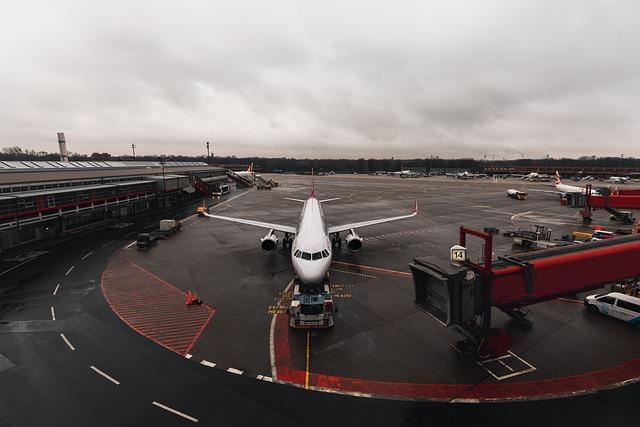
Thousands of flights were canceled or delayed across the United States on Saturday following a nationwide ground stop issued by the Federal Aviation Administration (FAA). The unprecedented directive disrupted air travel at major airports nationwide, leaving passengers stranded and airlines scrambling to manage the fallout. The FAA cited unspecified technical issues as the cause of the ground stop, which halted nearly all departures for several hours, marking one of the most significant air traffic interruptions in recent history.This article examines the scope of the disruption, its impact on travelers, and the ongoing response from aviation authorities.
Impact of FAA’s Nationwide Ground Stop on Domestic and International Air Travel
The FAA’s decision to initiate a nationwide ground stop sent shockwaves through both domestic and international air travel networks. Thousands of scheduled flights faced cancellations or lengthy delays, disrupting travel plans for millions of passengers. Airlines scrambled to adjust their operations, prioritizing safety while managing customer service challenges. Major hubs across the country reported significant congestion,as planes remained grounded on the tarmac and gates became overcrowded. The ripple effect extended beyond U.S. borders, complicating international inbound and outbound flights, with many travelers stranded at airports worldwide.
Beyond immediate travel disruption, the ground stop exposed vulnerabilities in the aviation infrastructure and highlighted the cascading consequences of such widespread operational halts. Airlines and airports began assessing the economic impact, including increased operational costs and lost revenue.Passengers faced extended wait times, rebooking difficulties, and missed connections, leading to rising frustration among the traveling public. Key takeaways from the event include:
- Heightened alertness to air traffic system interaction protocols.
- Increased scrutiny of contingency planning by airlines and air traffic control agencies.
- Acceleration of investments in technology aimed at preventing future system-wide disruptions.
| Impact Area | Effect | Response |
|---|---|---|
| Domestic Flights | Over 4,000 cancellations & delays | Passenger rebooking & refunds expedited |
| International Flights | Significant inbound/outbound disruptions | Coordination with global partners boosted |
| Airports | Gate overcrowding & congestion | Enhanced ground operations management |
| Passenger Experience | Long waits & missed connections | Customer support services expanded |
Challenges Faced by Airlines and Passengers During the Disruption
Airlines confronted unprecedented operational chaos as the FAA’s nationwide ground stop forced thousands of flights to be either canceled or delayed, overwhelming staff and resources. Ground crews scrambled to manage aircraft on the tarmac, while flight operations teams faced the daunting task of rescheduling thousands of passengers across multiple hubs. Real-time communication breakdowns added to the strain,leaving both employees and customers navigating a labyrinth of uncertainty.
Passengers bore the brunt of the disruption, facing extended wait times, missed connections, and scarce accommodations. Many travelers reported difficulty receiving timely updates,contributing to heightened frustration and confusion. Key challenges included:
- Overbooked customer service centers struggling to handle call volumes
- Limited access to hotel and meal vouchers due to sudden surge in demand
- Inconsistent data dissemination across airports and airlines
| Impact Area | Issue | Effect |
|---|---|---|
| Operational | Flight crew scheduling conflicts | Further delays & cancellations |
| Passenger Experience | Long lines and crowded terminals | Frustration and missed flights |
| Communication | Disparate updates from airlines | Increased confusion and anxiety |
FAA’s Response and Measures to Prevent Future Nationwide Ground Stops
In response to the unprecedented disruption, the FAA has announced a series of immediate and long-term actions aimed at bolstering the resilience of the national air traffic control system. Recognizing that the recent ground stop exposed critical vulnerabilities, the agency is prioritizing investments in modernizing its technology infrastructure, including upgrading communication networks and implementing advanced cybersecurity protocols. These enhancements are designed to prevent similar widespread outages by ensuring faster threat detection and real-time system redundancies.
Additionally, the FAA is strengthening coordination efforts with airlines, airports, and other key stakeholders to improve contingency planning and response readiness. Measures include:
- Enhanced simulation exercises to prepare for system failures and ground stops
- Advancement of choice routing strategies to minimize passenger impact during disruptions
- Improved public communication frameworks to provide timely updates and instructions
| Measure | Purpose | Timeline |
|---|---|---|
| Tech Infrastructure Upgrade | System reliability and cybersecurity | 12-18 months |
| Simulation Drills | Operational preparedness | Ongoing quarterly |
| Alternate Routing Plans | Disruption management | 6 months |
Tips for Travelers to Manage Flight Changes and Avoid Travel Delays
In the wake of the FAA’s nationwide ground stop, travelers need to remain vigilant and proactive to minimize disruptions. Checking flight status frequently before heading to the airport is paramount, as airlines continue adjusting schedules on short notice. Utilize airline apps and push notifications for real-time updates, and consider alternative airports or routes to bypass heavily affected hubs. Having a flexible mindset and keeping essential documents, snacks, and charging devices handy can alleviate stress during unexpected delays.
When rescheduling, contact airline customer service early to explore rebooking options and understand refund policies. Airports are likely to be crowded, so allow extra time for security and boarding. Gather key emergency contacts and keep accommodation details ready if overnight stays become necessary. Below is a quick reference table to help travelers prioritize what to do when flights are canceled or delayed:
| Action | Priority | Tip |
|---|---|---|
| Check flight status | High | Use airline apps and airport monitors |
| Contact airline | High | Request rebooking or refund options |
| Prepare alternative routes | Medium | Consider nearby airports or connections |
| Pack essentials | Medium | Snacks,chargers,documents,and comfort items |
| Allow extra time | Medium | Arrive early at the airport |
The Conclusion
As the aviation industry works to recover from Saturday’s unprecedented nationwide ground stop,thousands of travelers continue to face disruptions and delays. The FAA has attributed the halt to a technical issue affecting air traffic control systems and is actively working to restore normal operations. Passengers are advised to check with their airlines for the latest flight updates and prepare for ongoing delays. This incident underscores the critical importance of robust infrastructure in maintaining the safety and efficiency of the nation’s airspace. Further developments will be closely monitored as authorities strive to prevent a recurrence of such widespread disruptions.