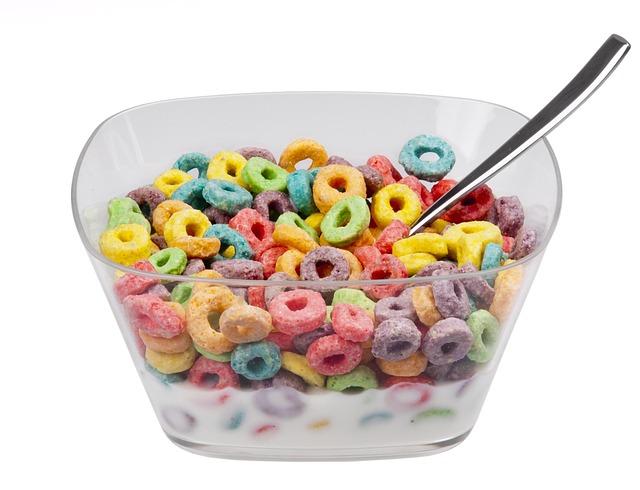
In recent discussions surrounding artificial additives in children’s cereals,a headline from The New York Times caught the public’s attention: “No More Food Dye in Froot Loops? Not So Fast.” As consumer demand for cleaner labels grows, the beloved colorful cereal has come under scrutiny for its use of synthetic dyes. However, the story behind Froot Loops and its ingredients is more complex than a straightforward ban or reformulation. This article delves into the evolving landscape of food dye regulation, industry responses, and what the future holds for one of America’s most iconic breakfast staples.
Food Dye Controversy Surrounding Froot Loops Explained
For years,Froot Loops have been at the center of debates about artificial food dyes and their potential health impacts. While some companies have heeded public pressure by eliminating synthetic colorings, Kellogg’s remains cautious, maintaining that their current dyes meet all safety standards set by regulatory agencies. The bright,multi-hued loops owe their signature appeal to a cocktail of FDA-approved synthetic dyes,which have sparked concerns among parents and advocacy groups linking them to hyperactivity and allergic reactions in sensitive individuals.
Here are the key points fueling the ongoing controversy:
- Regulatory approval: Dyes like Red 40 and Yellow 5 continue to be deemed safe by the FDA, despite consumer skepticism.
- Label transparency: Critics argue that ingredient disclosures are insufficient, complicating informed choices.
- Natural alternatives: Some competitors have shifted to plant-based dyes, yet challenges in cost and stability persist.
| Dye | Common Use | Health Concerns |
|---|---|---|
| Red 40 | Cereals, candies | Possible hyperactivity, allergies |
| Yellow 5 | Soft drinks, snacks | Behavioral issues, asthma triggers |
| Blue 1 | Confectionery | Rare allergic reactions |
Health Implications of Artificial Coloring in Breakfast Cereals
Artificial coloring in breakfast cereals, notably in bright and colorful options like Froot Loops, has long been a subject of controversy among health experts and consumers. Scientific studies have linked synthetic dyes such as Red 40, Yellow 5, and Blue 1 to potential adverse effects, including behavioral issues in children, allergic reactions, and in some cases, carcinogenic risks. Despite these concerns, many manufacturers continue to use these additives due to their low cost and consumer appeal. The persistent debate highlights the complex balance between food industry practices and public health priorities.
Health risks associated with artificial dyes include:
- Hyperactivity and attention deficits in sensitive children
- Allergic reactions ranging from mild hives to severe asthma attacks
- Potential carcinogenic effects as indicated in animal studies
| Dye | Common Use | Potential Health Concerns |
|---|---|---|
| Red 40 | Cereals, candies, beverages | Allergic reactions, hyperactivity |
| Yellow 5 | Snacks, soft drinks, cereals | Asthma, behavioral issues |
| Blue 1 | Desserts, cereals, beverages | Possible carcinogen in studies |
What Kellogg’s Is Doing to Address Consumer Concerns
Kellogg’s has taken notable steps in recent years to respond to mounting consumer pressure over artificial ingredients, particularly the contentious use of synthetic food dyes in their flagship cereals. The company announced intentions to remove these dyes from Froot Loops and several other products, shifting towards natural colorants such as turmeric and spirulina extract. However,the transition has proven to be more complex and slower than initially anticipated,largely due to challenges maintaining the signature vibrant hues and taste profiles that consumers expect.
Key initiatives Kellogg’s has implemented include:
- Gradual reformulation of recipes to incorporate plant-based colors without compromising flavor
- Investment in consumer education campaigns highlighting ingredient transparency
- Enhanced labeling practices to identify artificial ingredients clearly
- Collaboration with ingredient suppliers to innovate natural coloring solutions
| Product | Current Dye Status | Target Change | Expected Timeline |
|---|---|---|---|
| Froot Loops | Contains Synthetic Dyes | Switch to Natural Dyes | 2025 |
| Apple Jacks | Partial Natural Dyes | Complete Removal of Artificial Dyes | 2024 |
| Kellogg’s Frosted Flakes | No Artificial Colors | Maintain Current Recipe | N/A |
Expert Recommendations for Choosing Safer Cereal Options
Choosing cereals that align with health-conscious goals requires more than just scanning the front packaging for buzzwords like “natural” or “organic.” Nutrition experts suggest prioritizing cereals with minimal artificial additives and a short ingredient list. Opt for products that use natural colorants such as beet juice or turmeric, which are not only safer but can add subtle flavors and nutritional benefits. It’s also advisable to check the sugar content carefully,as some colorful cereals,even without synthetic dyes,pack high levels of added sugars.
In addition to scrutinizing ingredients, experts recommend considering nutrient density when selecting cereals. Look for options fortified with whole grains, fiber, and essential vitamins rather than those loaded with fillers or processed starches. Below is a quick comparison to help spot red flags:
| Cereal Feature | Desirable | Avoid |
|---|---|---|
| Coloring Agents | Natural extracts (e.g., spirulina, annatto) | Artificial dyes (e.g., Red 40, Yellow 5) |
| Sugar Content | Less than 8 grams per serving | Above 12 grams per serving |
| Grain Type | Whole grains, oats, quinoa | Refined flour, high fructose corn syrup |
- Read labels actively: Watch for hidden additives that might not be obviously artificial dyes but could still impact health.
- Seek certified products: Look for groups like Non-GMO Project Verified or Clean Label Project for reassurance.
- Consider homemade alternatives: DIY granola or oatmeal toppings can provide more control over ingredients.
To Conclude
As the debate over artificial food dyes continues, the story of Froot Loops serves as a reminder of the complexities involved in reformulating beloved products. While Kellogg’s has made strides towards cleaner labels, the presence of certain dyes remains a point of contention, underscoring the challenges companies face balancing consumer demand, regulatory standards, and product consistency.For now, consumers seeking to avoid synthetic additives will need to scrutinize ingredient lists closely, as the promise of dye-free Froot Loops remains, for the moment, more nuanced than definitive.