
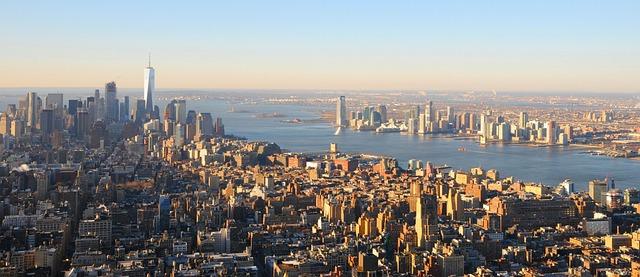
The pace of U.S. population growth has slowed significantly, driven in large part by changes in immigration enforcement that are reshaping migration patterns across the country.According to recent analysis by Realtor.com, these shifts are influencing not only where Americans are relocating but also the dynamics of local housing markets. As immigration policies tighten and enforcement intensifies, communities nationwide are experiencing new demographic trends that carry profound implications for economic growth, real estate demand, and urban planning.This article explores how evolving immigration enforcement is intersecting with population movement, altering the landscape of American cities and suburbs.
U.S. Population Growth Decelerates Amid Changing Immigration Policies
Recent shifts in immigration enforcement have contributed significantly to a noticeable slowdown in the U.S. population growth. As stricter policies discourage some migratory flows, fewer newcomers are settling in conventional entry points, which historically spurred regional expansions.This shift is prompting a geographic redistribution of residents, altering demographic trends and influencing local housing markets. Urban centers that once attracted diverse immigrant populations are now witnessing slower growth, while some suburban and rural areas experience modest upticks.
The impact of these changes can be distilled into several critical factors shaping American migration today:
- Stricter immigration enforcement: Elevated scrutiny and delays reduce the inflow of international residents.
- Shifting settlement patterns: New arrivals opt for regions with perceived economic opportunities or more lenient policies.
- Economic ripple effects: Slower population growth alters demand in local real estate markets, affecting home prices and rental availability.
| Region | Population Growth Rate (2023) | Change from 2022 | Key Driver |
|---|---|---|---|
| West Coast | 0.2% | -0.5% | Reduced immigration influx |
| South | 0.6% | +0.1% | Domestic relocation surge |
| Midwest | 0.1% | -0.3% | Population aging |
| Northeast | 0.3% | -0.2% | Limited new arrivals |
Shifts in Domestic Migration Patterns Redefine American Housing Markets
Recent shifts in where Americans choose to live have dramatically altered the traditional dynamics of housing demand across the country. With immigration enforcement tightening, several metro areas that historically benefited from steady population inflow are now experiencing a slowdown, while emerging hubs in the Sun Belt and Mountain West are capturing more domestic movers. These new trends disrupt expectations for real estate developers, investors, and city planners trying to anticipate future housing needs.
Key factors redefining market patterns include:
- Increased outbound migration from high-cost coastal cities toward more affordable inland regions
- Emergence of second-tier metros offering lower taxes and less stringent immigration enforcement
- Reduced international migration shifting the balance between supply and demand in urban housing markets
| Region | Migration Trend | Housing Market Impact |
|---|---|---|
| West Coast | Net Outflow | Price Moderation |
| Sun Belt | Net Inflow | Rising Demand & Construction |
| Midwest | Stable | Slow Growth |
Impact of Immigration Enforcement on Urban and Rural Community Dynamics
Heightened immigration enforcement has led to pronounced shifts in the demographic makeup of both urban and rural areas. Urban centers, traditionally magnets for immigrant populations due to job availability and community networks, are witnessing a measurable decline in growth rates. This slowdown is causing ripple effects in housing markets and local economies that rely heavily on this demographic influx. Meanwhile, some rural communities are experiencing unique challenges, from labor shortages in agriculture to shifts in school enrollments, as a direct consequence of tightened immigration policies.
These demographic shifts are redefining community dynamics in several ways:
- Economic Impact: Cities face reduced demand for rental housing, impacting real estate investment, while rural areas struggle to maintain their traditional labor pools.
- Social Fabric: Decreasing immigrant populations lead to changes in cultural institutions,schools,and community services tailored to these groups.
- Population Distribution: Migration patterns show a preference for suburbs and smaller towns over dense urban cores, reshaping infrastructure needs.
| Community Type | Population Growth Change | Key Challenge |
|---|---|---|
| Urban | Down 15% | Reduced rental demand |
| Rural | Down 8% | Labor shortages |
| Suburban | Up 5% | Infrastructure strain |
Strategies for Realtors to Navigate Emerging Market Trends and Demographic Changes
With U.S. population growth decelerating and immigration enforcement altering migration patterns, real estate professionals must recalibrate their strategies to stay ahead. Understanding shifts in where people are moving-frequently enough from coastal metros to Sun Belt cities or interior states-allows agents to target emerging hotspots with precision.Leveraging demographic data and local market indicators becomes essential, especially as younger buyers and retirees exhibit different housing preferences shaped by affordability, remote work trends, and lifestyle changes.
Realtors should also consider diversified marketing approaches to capture the attention of a more varied buyer profile. Building partnerships with community organizations and tapping into multilingual outreach can be effective in areas experiencing an influx of immigrant populations. The table below highlights key demographic shifts and market opportunities by region, guiding agents on where to focus efforts for optimal client engagement and business growth:
| Region | Population Growth Rate (2020-2024) |
Leading Buyer Segment | Market Prospect |
|---|---|---|---|
| Sun Belt | +8% | Retirees & Remote Workers | Affordable single-family homes |
| Midwest | +1.5% | First-Time Buyers | Renovation & starter homes |
| Rust Belt | -0.5% | Investors & Downsizers | Urban redevelopment projects |
| West Coast | +0.8% | High-income professionals | Luxury condos & green homes |
Concluding Remarks
As the nation grapples with the implications of slowed population growth and shifting migration patterns, the impact of immigration enforcement policies is becoming increasingly evident in the American real estate landscape. Understanding these trends will be crucial for policymakers, businesses, and communities as they navigate the evolving demographic and economic terrain. Realtor.com’s analysis underscores the need for adaptive strategies to address the changing needs and realities of where Americans choose to live.