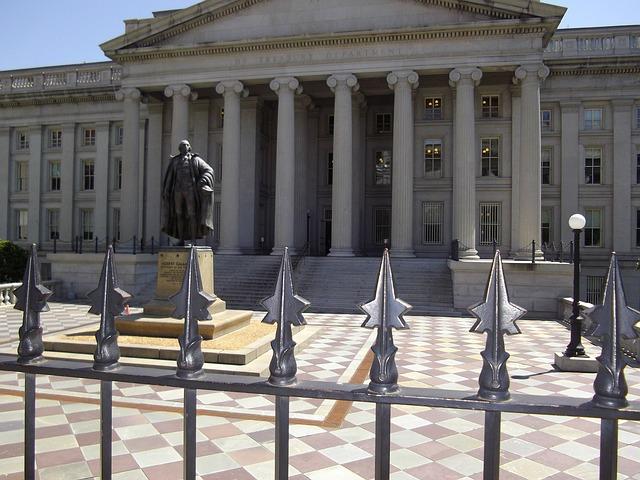
The U.S. Treasury Department has barred several journalists from covering the upcoming G20 summit, sparking concerns over press freedom and transparency. According to reports from PBS, the decision restricts access for select media representatives, raising questions about the government’s approach to information dissemination during the high-profile international meeting. This move comes amid heightened global scrutiny on economic policies and diplomatic relations among the world’s leading economies.
Treasury Department restricts media access at G20 summit amid transparency concerns
In a move that has sparked debate over government transparency, the Treasury Department has implemented stringent controls on which media outlets are allowed to report on the ongoing G20 summit. Several prominent journalists and news organizations found themselves excluded from press briefings and restricted zones, drawing criticism from press freedom advocates who warn this could set a worrying precedent for future international events. Officials defended the decision, citing security concerns and the need to maintain order during sensitive discussions involving global economic policies.
Key implications of the media restrictions include:
- Limited real-time reporting capabilities for some news agencies
- Potential erosion of public trust due to perceived lack of transparency
- Heightened tensions between the governance and independent press
| Aspect | Before Restrictions | After Restrictions |
|---|---|---|
| Number of Accredited Journalists | 150+ | 75 |
| Access to Press Briefings | Full | Selective |
| Official Statements | Open | Controlled |
Implications of journalist bans on press freedom and international diplomacy
The recent decision to block select journalists from covering the G20 meeting raises profound concerns about the erosion of press freedom on a global scale. When governments restrict media access, they not only undermine the transparency of international summits but also inhibit the public’s right to be informed of critical diplomatic discussions. Such actions can create a chilling effect among journalists, discouraging balanced reporting and critical inquiry, which are essential pillars of democratic societies.
From a diplomatic standpoint, barring journalists frequently enough signals deeper geopolitical tensions and can exacerbate mistrust among participating nations.It challenges the openness expected in international relations and may provoke retaliatory media restrictions, creating a cycle of escalating censorship. The impact goes beyond the immediate event, potentially affecting how countries communicate their policies and perceive one another in the global arena.
- Transparency deficits: Limits public understanding of G20 negotiations
- Diplomatic strain: May fuel reciprocal bans and mistrust
- Media self-censorship: Journalists risk avoiding sensitive topics
- Global perception risks: Affects international reputations and alliances
| Impact Area | Potential Consequences | Long-term Outlook |
|---|---|---|
| Press Freedom | Restricted coverage, limited inquiry | Undermined democratic norms |
| Diplomatic Relations | Increased tensions, retaliatory actions | Fragile international cooperation |
| Public Awareness | Skewed or incomplete information | Reduced civic engagement |
Analyzing the criteria behind media exclusions and the response from the journalism community
The recent decision by the Treasury Department to block specific journalists from attending the G20 meeting has ignited intense debate regarding the criteria used to determine media exclusions.Officially, the department cited concerns over national security and the potential dissemination of sensitive information as primary reasons for restricting access. However, critics argue that the criteria appear ambiguous and inconsistently applied, raising questions about transparency and fairness in media coverage privileges. The selection process reportedly factors in a combination of previous reporting history, editorial stance, and perceived risk, but lacks a clear public framework, leaving many news organizations grappling with an opaque and seemingly arbitrary system.
The journalism community’s response has been swift and unified, emphasizing the importance of an open press during internationally significant events. Press freedom advocates and major news outlets have protested, highlighting the detrimental impact these exclusions have on both independent journalism and public access to thorough information. Key points raised by the community include:
- Demand for transparent and objective criteria for media accreditation
- Concerns over the chilling effect such exclusions might have on investigative journalism
- Calls for accountability to ensure that political or ideological biases do not influence press access
| Aspect | Government Criteria | Journalism Community Concerns |
|---|---|---|
| Transparency | Limited disclosure on reasons for exclusions | Demand clear, published guidelines |
| Security | Protection of sensitive information | Fear of overreach and censorship |
| Fairness | Discretionary selection process | Risk of biased or inconsistent request |
| Impact | Reduced media presence | Compromised news diversity and public knowledge |
Recommendations for ensuring open media coverage in future global financial meetings
To uphold transparency and foster trust during critical global financial discussions, it is indeed essential that media access be guaranteed without undue restrictions. Governments and organizing bodies should implement clear and neutral credentialing criteria that prevent arbitrary exclusion of journalists based on political or institutional bias. Additionally, establishing an independent media oversight committee comprised of international press freedom advocates can definitely help monitor credentialing processes and swiftly address any grievances, ensuring fairness and inclusivity.
Enhancing communication channels between press offices and media representatives can also mitigate misunderstandings about accreditation and coverage permissions. Organizers should proactively provide comprehensive media guidelines well in advance, including explicit protocols for access, interview opportunities, and live coverage. The use of digital dashboards tracking press credentials and real-time updates during events would bring increased accountability and openness. Below is an outline of practical measures to consider:
- Transparent criteria for journalist accreditation
- Independent oversight to resolve disputes
- Pre-event media orientation sessions
- Real-time updates on media access status
- Dedicated liaison officers for press inquiries
| Measure | Objective | Expected Outcome |
|---|---|---|
| Clear Accreditation Policies | Prevent exclusion bias | Fair and open media participation |
| Independent Oversight | Ensure impartiality | Reduced disputes and increased trust |
| Dedicated Press Liaisons | Enhance communication | Timely resolution of issues |
| Digital Credentialing Platforms | Improve transparency | Real-time access updates |
Key Takeaways
As the G20 summit draws to a close, the Treasury Department’s decision to restrict access for certain journalists has raised crucial questions about transparency and press freedom in covering global economic policymaking.While officials cite security concerns, critics argue that such limitations hinder the public’s right to be informed about crucial international discussions. The controversy underscores the ongoing tension between governmental control and media accountability, a dynamic that will likely continue to shape coverage of future high-profile events.