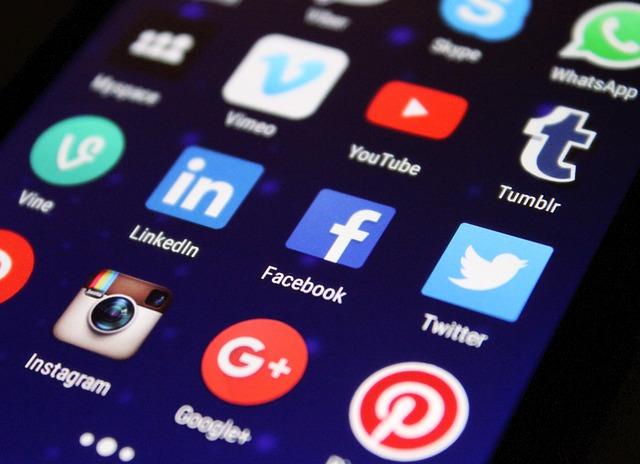
The U.S. government is set to implement a new policy requiring foreign tourists to provide five years of their social media history prior to entering the country, according to reports from The New York Times. This move is part of an intensified security effort aimed at enhancing vetting processes and identifying potential threats before they reach American soil. The proposed measure raises notable questions about privacy, data security, and the broader implications for international travel and diplomacy.As the debate unfolds, experts and travelers alike are closely monitoring how this policy could reshape the landscape of cross-border movement and digital surveillance.
U.S.Expands Social Media Screening for Foreign Tourists to Enhance National Security
In a significant shift aimed at bolstering national security, U.S. authorities are now requiring foreign tourists to provide access to up to five years of their social media activity before entry approval. The expanded screening process, which includes platforms like Facebook, Twitter, and Instagram, is designed to identify potential threats by analyzing digital footprints that could indicate security risks or affiliations with extremist groups. Officials emphasize that the move is part of a broader effort to adapt immigration protocols to the realities of digital communication, ensuring that visitors from abroad undergo thorough vetting without disrupting legitimate travel.
Key elements of the expanded social media screening include:
- Review of public posts, connections, and profile details dating back five years.
- Cross-referencing social media activity with other background checks and intelligence data.
- Enhanced algorithms to detect patterns or indicators of suspicious behavior.
| Platform | Data Reviewed | Screening Impact |
|---|---|---|
| Posts, friends, groups | High | |
| Tweets, followers, hashtags | Medium | |
| Photos, comments, followers | Medium |
Detailed Examination of Five Years of Online Activity Raises Privacy and Legal Concerns
In a bold move aimed at tightening national security, U.S. authorities are set to review up to five years of social media activity from foreign tourists entering the country. This unprecedented measure extends beyond current practices by accessing detailed digital footprints to assess potential risks. Authorities will analyze various data points, including posts, likes, shares, and connections, raising immediate concerns about the breadth of information collected and how it will be used. Privacy advocates warn that this extensive surveillance could infringe on individual rights and set a troubling precedent for digital privacy worldwide.
The initiative has sparked a vigorous debate among legal experts, privacy organizations, and civil rights groups. Key points of contention include:
- Scope of Data Collection: The five-year window drastically expands typical scrutiny periods, possibly capturing unrelated personal information.
- Data Security and Retention: Questions remain on how long the data will be stored and what safeguards will protect it from misuse.
- Legal Challenges: Potential conflicts with constitutional rights and international privacy agreements.
| Aspect | Potential Impact | Stakeholders Concerned |
|---|---|---|
| Data Depth | Extensive profiling | Tourists, Privacy Advocates |
| Legal Framework | Constitutional scrutiny | Legal Experts, Civil Rights Groups |
| Security Risks | Data breaches potential | Government, Public |
Experts Weigh In on Potential Impact for International Travelers and Diplomatic Relations
Leading experts in international law and diplomatic affairs express concern that the new U.S. policy could considerably alter the landscape for foreign travelers. According to Dr. Helen Ramirez, a global security analyst, “requirements to surrender extensive social media history effectively impose a new digital border,” potentially discouraging tourists from countries with strict data privacy cultures. Travel agencies and international business communities warn that such scrutiny may lead to a decline in tourism revenues and complicate visa processes. The digital footprint demanded spans five years, raising questions about compliance and the potential for inadvertent privacy violations.
Diplomatic relations may also face strain as foreign governments respond to increased surveillance measures. Ambassadors from several allied nations have reportedly initiated talks regarding the balance between national security and personal freedoms. A recent table outlines the varying diplomatic stances:
| Country | Diplomatic Reaction | Potential Impact |
|---|---|---|
| Germany | Cautious engagement | Calls for data privacy safeguards |
| South Korea | Formal protests | Possible travel advisories issued |
| Brazil | Open dialog | Monitoring policy changes closely |
| United Kingdom | Reserved support | Emphasis on security cooperation |
Recommendations for Travelers Navigating Increased Digital Scrutiny at U.S. Borders
Travelers should prepare for enhanced digital examinations by curating their online presence before arriving at U.S. ports of entry. It is wise to review recent and historic social media activity spanning the past five years, deleting or securing posts that could be misconstrued. Consider setting social accounts to private and distancing from content that might potentially be politically sensitive or suggest affiliations that could prompt additional scrutiny.
Additionally, visitors are encouraged to maintain a professional and transparent demeanor during border interviews and be ready to provide clear explanations for any online content that may be questioned. Security experts advise the following best practices for smoother entry:
- Log out of social media accounts on devices brought into the U.S.
- Avoid carrying needless electronics with extensive personal data
- Use strong, separate passwords to minimize security risks
- Keep digital backups of important documents stored securely offline
| Planning Step | Purpose |
|---|---|
| Social Media Audit | Remove or secure sensitive posts |
| Device Cleanup | Reduce risk by minimizing personal data |
| Backup Important Files | Protect information stored offline |
| Practice Interview Responses | Prepare for detailed questioning |
To Conclude
As the U.S. government moves forward with plans to review five years of social media history for foreign tourists, this new measure underscores a growing emphasis on security and surveillance in international travel.While officials argue it’s a necessary step to protect national interests, privacy advocates warn of potential overreach and the implications for individual freedoms.As this policy develops,it will be crucial to balance security concerns with the rights of travelers,shaping the future of cross-border digital scrutiny.