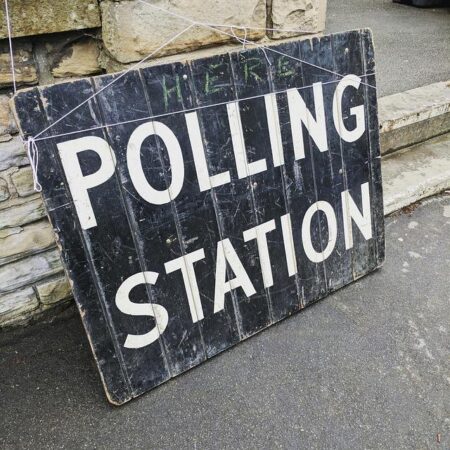
In a striking shift from their initial strategy, Democratic leaders have reluctantly embraced a government shutdown battle they previously sought to avoid, underscoring deepening partisan divides on Capitol Hill. As negotiations over federal funding stall, the potential for a funding lapse has forced Democrats into a high-stakes confrontation with Republicans, highlighting the escalating tensions in Washington and raising urgent questions about the political and economic fallout of a shutdown.This unexpected turn in the budget showdown reflects the complex dynamics shaping the current legislative landscape and sets the stage for a contentious standoff in the weeks ahead.
Democrats Confront Political Showdown as Shutdown Looms
As the clock ticks closer to a federal government shutdown, key Democratic leaders face intense pressure to negotiate terms under which they had hoped to avoid confrontation. The party finds itself grappling with internal divisions and external demands from opposition lawmakers, forcing a political standoff that could have severe repercussions for a wide array of public services. Efforts to reach a bipartisan agreement remain stalled, reflecting the high stakes and deep ideological divides in Congress.
Democrats are particularly concerned about the following critical issues:
- Funding for Social Programs: Ensuring continued support for healthcare, education, and social safety nets remains non-negotiable for many within the party.
- Border Security Measures: Differing views on immigration enforcement have complicated negotiation dynamics.
- Economic Implications: The potential fallout from a shutdown threatens to undermine economic recovery efforts amid ongoing global uncertainty.
| Key Issue | Democratic Position | Opposition Stance |
|---|---|---|
| Social Program Funding | Maintain or increase funding | Push for cuts and reforms |
| Border Security | Focus on humanitarian aid | Emphasize strict enforcement |
| Economic Impact | Prevent shutdown to protect recovery | Use shutdown threat as leverage |
Assessing the Risks and Consequences of a Government Shutdown
The potential government shutdown poses important risks that extend beyond mere budgetary concerns. Federal agencies are expected to operate with limited funds, leading to furloughs of hundreds of thousands of employees. Critical services including national parks, public health monitoring, and routine regulatory inspections could face significant disruptions. Such halts not only impact public safety but could also erode trust in government efficacy among citizens and international observers.
Economic ramifications loom large, with analysts warning of stalled government contracts and delayed payments affecting contractors and small businesses reliant on federal funds. The uncertainty is predicted to strain financial markets, potentially dampening consumer confidence and investment. The accompanying table summarizes the immediate and secondary effects stakeholders might experience during a shutdown:
| Stakeholder | Immediate Impact | Secondary Effect |
|---|---|---|
| Federal Employees | Furlough without pay | Financial instability, delayed payroll |
| Contractors | Payment delays | Cash flow challenges, layoffs |
| General Public | Reduced services | Health and safety concerns |
| Financial Markets | Volatility increase | Economic slowdown fears |
- Disrupted social programs may increase hardship for vulnerable populations.
- Delayed infrastructure projects could slow economic growth.
- Reduction in government research activities will stall innovation momentum.
Navigating Intraparty Divisions and Strategic Compromises
Facing internal fractures that stretch from moderate centrists to progressive hardliners, party leaders have been compelled to perform a delicate balancing act. Key figures grapple with dissenting voices, particularly as budget negotiations intersect with ideological divides over social spending and immigration policies. Reconciling these competing priorities remains a monumental task, requiring intense behind-the-scenes diplomacy and forthright interaction strategies to maintain a unified front.
Several strategic concessions have emerged as necessary to move forward, highlighting the pragmatic side of party leadership. These compromises include scaled-back spending proposals and phased policy implementations designed to appease different factions without alienating core supporters. The following table outlines critical concessions made to quell dissent and sustain legislative momentum:
| Party Faction | Key Demand | Compromise Outcome |
|---|---|---|
| Moderates | Fiscal responsibility | Temporary spending caps |
| Progressives | Expanded social programs | Phased funding increases |
| Immigration Advocates | Pathway to citizenship | Delayed legislative action |
- Communication channels: Strengthened party-wide coordination meetings.
- Legislative flexibility: Adoption of incremental bill approvals.
- Public messaging: Unified rhetoric to manage external perception.
Recommendations for Bipartisan Negotiations to Avert Crisis
In navigating the complexities of the current fiscal showdown, lawmakers must prioritize clear communication channels and mutual respect to rebuild bipartisan trust. Open dialog forums can definitely help both parties articulate core concerns without escalating tensions, fostering an habitat conducive to compromise. Additionally,incorporating a neutral third-party mediator may ease gridlock,providing fresh perspectives and keeping negotiations focused on shared national interests rather than partisan agendas.
Pragmatism should guide all efforts to sidestep a government shutdown:
- Establish incremental budget agreements that address urgent priorities while allowing time for extended discussions on contentious issues.
- Utilize expert fiscal panels to offer data-driven proposals that balance spending with economic stability.
- Commit to transparent timelines and public progress updates to maintain accountability.
These strategies not only reduce uncertainty for citizens but also signal a genuine commitment to governance that transcends party lines, ultimately safeguarding the nation from avoidable crises.
Closing Remarks
As the shutdown battle unfolds, Democrats find themselves navigating the very political terrain they had sought to sidestep. The stakes remain high, with implications that extend beyond the immediate fiscal impasse to broader questions of governance and party strategy. How the party manages this confrontation may well shape its legislative priorities and public standing in the months ahead. The coming days will test the Democrats’ ability to balance principle with pragmatism in a divided Washington.