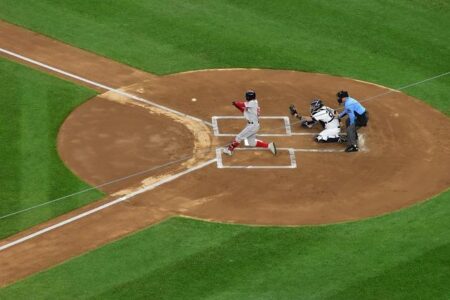
In a disappointing turn of events during Week 6, the New York Giants saw a perhaps winnable game slip through their fingers, raising fresh questions about the team’s execution and resilience.Despite competitive moments and flashes of promise, missed opportunities and critical errors ultimately defined a contest that many believed the Giants had within reach. This report card examines the key performances, pivotal plays, and overarching implications from a game that could have served as a turning point in the season, as detailed in Sports Illustrated’s latest coverage.
Giants Show Early Promise but Fade in Crucial Moments
Despite showing flashes of brilliance early on, the Giants struggled to maintain momentum when it mattered most. The offense came out firing, putting together multiple promising drives in the first half that showcased the team’s potential to challenge the defense. However, critical errors and untimely penalties repeatedly stalled progress, ultimately shifting the game’s momentum away from New York. Key players, including the quarterback and star wide receiver, demonstrated strong individual efforts but lacked the consistent execution required to close out the contest.
The defense, which had moments of solid containment, failed to capitalize late in the game. The Giants’ inability to make vital stops during crucial fourth-quarter drives allowed their opponent to rally and take control. Below is a summary of the team’s key performance metrics from Week 6:
| Category | Early Game | Crucial Moments |
|---|---|---|
| Offensive Yards | 210 | 45 |
| Third-Down Conversion | 60% | 25% |
| Turnovers | 0 | 2 |
| Penalties | 1 for 5 yards | 3 for 35 yards |
- Offense: Strong initial rhythm derailed by turnovers.
- Defense: Early containment gave way under pressure.
- Special Teams: Consistent but unable to shift momentum.
Defensive Struggles Undermine Opportunities to Secure Victory
The Giants’ defense, usually a pillar of strength, crumbled at critical moments, allowing their opponents to capitalize with ease. Missed tackles, blown coverages, and a lack of pressure on the quarterback combined to turn what could have been a commanding lead into a nail-biting affair. Defensive coordinator adjustments appeared slow to take effect, giving away crucial yards both in the air and on the ground. The lack of defensive stops in the final quarters shifted momentum and placed undue pressure on the offense to consistently produce.
Key defensive lapses included:
- Third-down conversion rate of over 50% allowed
- Multiple missed assignments leading to big plays
- Failure to contain explosive running back carries
| Defensive Metrics | Stat | League Average |
|---|---|---|
| Third-Down Defense | 53% | 40% |
| Sacks | 1 | 2.5 |
| Points Allowed (Q4) | 14 | 7 |
Offensive Inconsistencies Highlight Need for Strategic Adjustments
The Giants’ offensive unit showed glimpses of potential but ultimately suffered from a lack of cohesion and consistency throughout the game. Quarterback struggles in crucial moments combined with erratic play-calling stifled the team’s ability to sustain drives, leaving the offense sputtering at key junctures. Despite intermittent success in the run game, the passing attack failed to capitalize on opportunities, highlighted by missed connections and dropped passes that shifted momentum away from the Giants.
To reverse this trend, several strategic adjustments are needed moving forward:
- Enhanced play design: Incorporate more misdirection and swift-release passes to counter defensive pressure.
- Improved communication: Streamline decision-making processes between quarterback and receivers to reduce turnovers.
- Balanced attack: Integrate running backs more effectively to open up the aerial game.
| Category | Week 6 Performance | Season Average |
|---|---|---|
| 3rd Down Conversion | 30% | 42% |
| Passing Yards | 215 | 260 |
| Turnovers | 2 | 1.1 |
These numbers underline the necessity for recalibrated offensive schemes to maximize efficiency. Without addressing these inconsistencies, the Giants risk continuing to squander winnable games in a highly competitive division.
Coaching Decisions Under Scrutiny with Playoff Implications Looming
Critical calls in the Giants’ game plan came under the microscope as the clock wound down in Week 6. Questions surged around the offensive coordinator’s reluctance to deviate from the conservative playbook, particularly in two key red zone situations where the team settled for field goals rather of pushing for touchdowns. On defense, late substitutions raised eyebrows with crucial personnel mismatches exploited by the opposing offense, helping tilt momentum away from New York. Analysts and fans alike are now debating whether these conservative choices cost the Giants a chance at securing a much-needed victory.
Key coaching moves under review:
- Fourth-down decisions: Opting to kick rather than go for it in two critical spots, sparking second-guessing.
- Clock management: Questions about why the Giants didn’t utilize more aggressive timeouts when trailing.
- Defensive matchups: Late personnel changes appeared to favor opponents’ key playmakers on multiple drives.
| Situation | Coaching Choice | Impact |
|---|---|---|
| 4th & 2 at the 10 | Field Goal Attempt | 3 Points vs Potential Touchdown |
| Late Game Timeout Usage | Two Remaining, Not Used | Less Opportunity to Stop Clock |
| Defensive Personnel Swap | Subbed Out Top Linebacker | Opponent Gained 15 Yards |
The Way Forward
As the Giants close the chapter on Week 6, the takeaway is clear: a winnable game slipped through their fingers, leaving unanswered questions about execution and resilience. While the talent is evident, the team’s ability to close out tight contests remains a work in progress. With the season still young, the Giants have ample time to address these issues and regain momentum.Fans and analysts alike will be watching closely to see how Head Coach and players respond in the weeks ahead, as every game becomes increasingly critical in the pursuit of playoff aspirations.