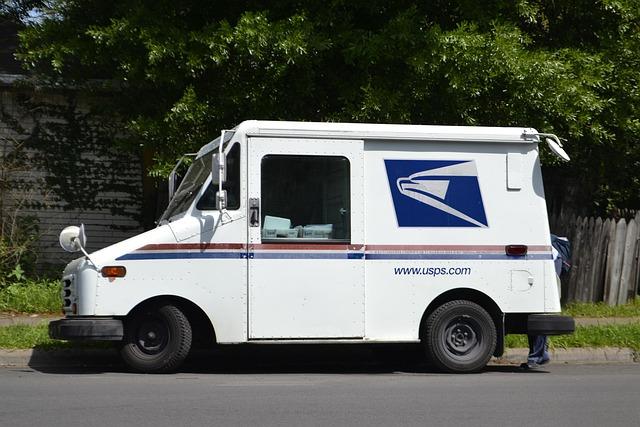
The United States Postal Service has reported a staggering $2.5 billion loss for the most recent quarter, marking a meaningful financial setback for the government-run agency. According to Reuters, the persistent shortfall underscores ongoing challenges facing the USPS amid declining mail volumes and rising operational costs.This latest report adds pressure on the postal service as it seeks sustainable solutions to its mounting fiscal difficulties.
US Postal Service Faces Mounting Financial Challenges in Recent Quarter
The US Postal Service has reported a staggering $2.5 billion loss in the latest quarter, marking one of the most financially challenging periods in its recent history. Key factors contributing to this downturn include soaring operational costs and a significant decline in mail volumes. Analysts point to several critical issues exacerbating the crisis:
- Rising fuel and labour expenses impacting daily operations
- Shift to digital interaction reducing traditional mail usage
- Increased competition in parcel delivery from private carriers
In response, the Postal Service is implementing strategic measures to stabilize finances. Efforts are being focused on optimizing routes, modernizing infrastructure, and expanding package delivery services. Below is a snapshot of key financial indicators from the recent quarter:
| Category | Current Quarter | Previous Quarter |
|---|---|---|
| Revenue | $22.3B | $23.1B |
| Net Loss | $2.5B | $1.9B |
| Parcel Volume | 1.9B | 1.7B |
| First-Class Mail Volume | 5.7B | 6.2B |
Operational Factors Driving the US Postal Service Quarterly Loss
The recent quarterly loss reported by the US Postal Service (USPS) has been significantly influenced by several operational challenges. Rising labor costs, driven by ongoing negotiations and wage increases, have placed considerable financial pressure on the agency. Additionally, rising fuel expenses, amid volatile global oil prices, have further strained the USPS’s operational budget, affecting transportation and delivery efficiency nationwide.
Another critical factor is the continued decline in first-class mail volume, which has historically been a core revenue stream for the USPS. Meanwhile, increased reliance on package deliveries, though growing, has not yet fully compensated for this loss. Key operational challenges include:
- Aging logistics infrastructure requiring costly upgrades and maintenance
- Increasing automation expenses to keep pace with technological advancements
- Delays and inefficiencies triggered by labor shortages in key sorting and delivery positions
| Operational Factor | Impact on Quarterly Loss |
|---|---|
| Labor Costs | +$700M |
| Fuel Prices | +$400M |
| Decline in Mail Volume | +$900M |
| Infrastructure & Automation | +$500M |
Impact of Postal Service Deficit on National Mail Delivery and Services
The ongoing financial challenges faced by the US Postal Service (USPS), highlighted by its recent $2.5 billion quarterly loss,have intensified concerns regarding the reliability and efficiency of mail delivery nationwide.Operational deficits limit USPS’s capacity to invest in critical infrastructure upgrades, resulting in delays and inconsistent service quality across urban and rural regions alike.This strain particularly affects time-sensitive deliveries such as medical supplies, legal documents, and election mail, where reliability is paramount.
Budget constraints also compel USPS to reconsider service offerings and frequency, which could lead to:
- Reduced delivery days for certain mail categories
- Increased postage rates to offset losses
- Scaling back of community-based post office branches
The cumulative impact of these measures could disrupt small businesses and residents who rely heavily on postal services, further exacerbating the divide between metropolitan hubs and underserved locales.
| Service Aspect | Potential Impact | Timeline |
|---|---|---|
| Delivery Frequency | Reduction to 4 days/week | Within 12 months |
| Postage Rates | 5-10% increase expected | Next fiscal year |
| Post Office Locations | Closure of low-traffic branches | Ongoing evaluations |
Strategic Recommendations for USPS Financial Recovery and Sustainability
To address the alarming $2.5 billion quarterly deficit, USPS needs to prioritize innovation and operational efficiency. Investing in automation and digital tracking systems can reduce handling costs and enhance package delivery accuracy. Expanding partnerships with e-commerce platforms will capitalize on the booming online shopping trend, creating new revenue streams. Meanwhile, a critical review of current routes and facility usage should be conducted to eliminate redundancies and optimize logistics networks.
Moreover, USPS must explore diversified funding models beyond traditional mail services. Strategies should include:
- Subscription-based premium services for faster delivery options.
- Green initiatives such as electric vehicle fleets to reduce operational costs and meet sustainability goals.
- Leveraging real estate assets by repurposing underutilized properties for commercial rental.
| Initiative | Projected Savings | Timeline |
|---|---|---|
| Automation Upgrade | $500M annually | 2 years |
| Route Optimization | $350M annually | 1 year |
| Electric Fleet Transition | $250M annually | 3 years |
In Conclusion
The US Postal Service’s $2.5 billion quarterly loss underscores ongoing financial challenges facing the agency amid shifts in mail volume and operational costs. As the USPS continues to seek solutions to balance its budget while maintaining essential services, stakeholders will be closely watching forthcoming policy decisions and restructuring efforts to determine the future trajectory of this critical public institution.