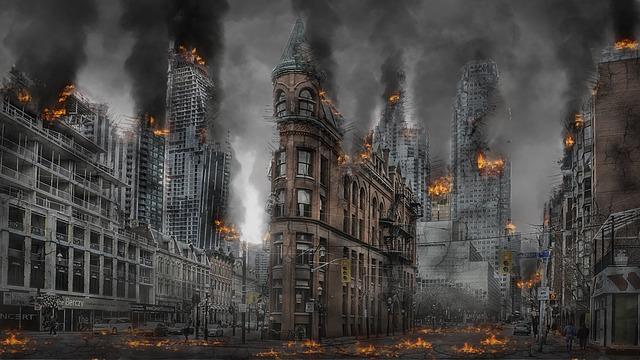
New York City authorities have launched a criminal inquiry into the recent collapse of a residential building,seeking to determine whether negligence or wrongdoing contributed to the disaster. The tragedy, which resulted in multiple casualties and significant property damage, has drawn intense scrutiny from law enforcement and city officials. As rescue efforts continue, investigators are meticulously examining the circumstances surrounding the collapse to hold any responsible parties accountable. This developing story highlights growing concerns over building safety and regulatory enforcement in one of America’s largest urban centers.
NYC Officials Launch Criminal Probe into Building Collapse Causes
Authorities in New York City have escalated their response to the recent building collapse by initiating a criminal investigation into the underlying causes. The move signals a shift from purely structural assessments to scrutinizing potential negligence, construction violations, or regulatory oversights that may have contributed to the catastrophic failure. Officials are working closely with forensic engineers, city inspectors, and legal experts to gather evidence and assign accountability where necessary.
Key focus areas of the investigation include:
- Reviewing construction permits and compliance records
- Interviewing contractors, architects, and site managers
- Analyzing materials used and potential code violations
- Examining maintenance logs and inspection histories
| Investigation Step | Status | Expected Outcome |
|---|---|---|
| Evidence Collection | Ongoing | Identification of fault points |
| Witness Interviews | Scheduled | Corroboration of timelines |
| Material Testing | In Progress | Detection of substandard supplies |
Engineering Experts Examine Structural Failures Behind Disaster
In the wake of the devastating collapse of a multi-story building in New York City, a team of structural engineering experts has been deployed to analyze the underlying causes. Preliminary investigations spotlight potential flaws in the original design and apparent lapses in maintenance protocols that may have contributed to the catastrophic failure. Experts emphasize that the intricate interplay between aging infrastructure and modern load requirements demands a meticulous forensic evaluation.
Key factors under scrutiny by the team include:
- Foundation integrity – potential subsidence or erosion compromising stability
- Material degradation – corrosion of steel reinforcements and concrete spalling
- Structural modifications – unauthorized alterations affecting load paths
- Compliance with building codes – adherence to current safety standards
| Inspection Aspect | Status | Priority |
|---|---|---|
| Load-bearing columns | Under detailed analysis | High |
| Exterior wall conditions | Preliminary findings indicate cracks | Medium |
| Roof support system | Inspection scheduled | Low |
Witness Accounts Shed Light on Possible Negligence Factors
Multiple eyewitnesses have described alarming signs prior to the collapse, raising questions about potential oversight failures. Residents and passersby noted unusual noises and visible cracks across key structural elements over recent weeks. Several neighbors reported desperately trying to alert building management,only to receive vague assurances without tangible action. The accumulation of these accounts highlights possible delays in addressing critical safety concerns that might have mitigated the disaster.
Investigators have also gathered testimonies from former contractors and maintenance staff, who pointed to a range of concerning factors, such as:
- Incomplete or delayed repairs on essential load-bearing walls
- Signs of water damage accelerating material degradation
- Inconsistent adherence to mandated inspection protocols
These witness accounts are now a pivotal component of the ongoing criminal probe, as authorities seek to determine if negligence or willful disregard for building codes contributed significantly to the collapse.
| Witness Group | Key Observation | Timeframe |
|---|---|---|
| Residents | Cracks and creaking noises | Several weeks before collapse |
| Maintenance Staff | Delayed wall repairs | Last 2 months |
| Contractors | Water damage ignored | Ongoing over past year |
Authorities Urge Enhanced Safety Regulations to Prevent Future Incidents
In the wake of the recent building collapse, city officials and safety experts are calling for a comprehensive overhaul of existing construction and maintenance codes. The consensus is clear: current measures are insufficient to guard against structural failures that endanger lives and property. Authorities emphasize the need for stricter inspections,more rigorous enforcement,and updated construction standards that reflect the latest engineering advancements and urban density challenges.
Stakeholders have proposed a series of vital reforms, including:
- Mandatory biannual structural assessments for all buildings over 10 years old
- Enhanced transparency through publicly available building safety reports
- Increased penalties for non-compliance to dissuade negligent practices
- Expanded training programs for construction workers and inspectors focused on new safety protocols
| Proposed Measure | Purpose | Expected Impact |
|---|---|---|
| Biannual Inspections | Identify structural issues early | Reduce emergency repairs and risks |
| Public Safety Reports | Increase accountability | Empower residents with information |
| Stricter Penalties | Encourage compliance | Lower rate of code violations |
Closing Remarks
As authorities continue to probe the circumstances surrounding the collapse, the criminal investigation aims to determine whether any negligence or misconduct contributed to the tragic event. Officials have pledged to keep the public informed as new information emerges. The community and city officials alike await answers that will provide clarity and accountability in the wake of this devastating incident.