
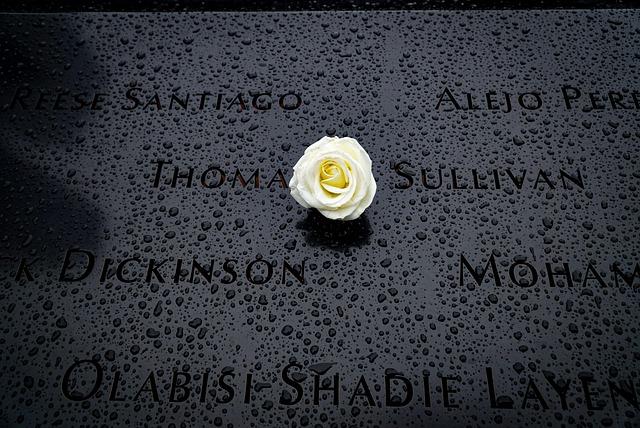
On September 11, 2001, a series of coordinated terrorist attacks shook the United States, leaving an indelible mark on the world. As commercial airliners were hijacked and flown into the World Trade Center towers in New York City, the Pentagon, and a field in Pennsylvania, the tragic events unfolded with devastating speed and scale.This article reviews what happened on that fateful day, examining the sequence of attacks and providing a detailed account of the human toll. Stay with BBC as we explore the facts behind the 9/11 attacks and remember those who lost their lives.
The Events Unfolding on September 11 A Comprehensive Timeline of the Attacks
In the early hours of September 11, 2001, a coordinated series of terrorist attacks shocked the world, forever altering global security and diplomacy. At 8:46 AM,American Airlines Flight 11 crashed into the North Tower of the World Trade Center,signaling the beginning of a meticulously planned assault orchestrated by al-Qaeda. Just 17 minutes later, United Airlines Flight 175 struck the South Tower, igniting widespread panic and confusion across New York City. While emergency responders scrambled to aid those trapped inside the towers, other hijacked planes were en route to their targets. At 9:37 AM,American Airlines Flight 77 hit the Pentagon,causing significant structural damage and numerous casualties. Meanwhile, United Airlines Flight 93, intended for the U.S. Capitol, was thwarted by heroic passengers and crashed into a field near Shanksville, Pennsylvania, at 10:03 AM.
Key moments of the morning unfolded as follows:
- 8:46 AM: Flight 11 hits North Tower (1 WTC)
- 9:03 AM: Flight 175 hits South Tower (2 WTC)
- 9:37 AM: Flight 77 strikes Pentagon
- 10:03 AM: Flight 93 crashes in Pennsylvania
- 9:59 AM: South Tower collapses
- 10:28 AM: North Tower collapses
| Location | Time of Impact/Collapse | Casualties |
|---|---|---|
| North Tower (1 WTC) | 8:46 AM (Impact), 10:28 AM (Collapse) | Approx.1,600 |
| South Tower (2 WTC) | 9:03 AM (Impact), 9:59 AM (Collapse) | Approx. 900 |
| Pentagon | 9:37 AM (Impact) | Approx. 125 |
| Flight 93 Crash Site | 10:03 AM | 44 (including hijackers) |
Human Cost and Casualties Understanding the Impact on Victims and Survivors
The September 11 attacks brought unprecedented devastation in both scale and human suffering. Nearly 3,000 people lost their lives when hijacked planes crashed into the World Trade Center, the Pentagon, and a field in Pennsylvania. Victims included passengers on the planes, office workers, emergency responders, and bystanders, spanning over 90 countries.The sheer magnitude of the tragedy triggered profound grief that reshaped families, communities, and the global understanding of terrorism’s reach. Survivors and families continue to grapple with the long-term emotional and physical scars from that fateful day.
The toll extends beyond those who perished instantly. First responders rushing into collapsing towers endured respiratory illnesses and injuries linked to dust and debris exposure, many suffering life-altering conditions years later. The following list highlights some of the key impacts on victims and survivors:
- Immediate fatalities: Approximately 2,977 confirmed deaths on September 11, 2001.
- First responder health crisis: Thousands diagnosed with respiratory and cancer-related illnesses.
- Psychological trauma: Extensive PTSD and mental health challenges among survivors and witnesses.
- Economic hardship: Families of victims frequently enough faced financial instability,despite compensation programs.
| Category | Approximate Number | Ongoing Impact |
|---|---|---|
| Victims | 2,977 | Fatalities on the day |
| First Responders | 10,000+ | Chronic illness diagnoses |
| Survivors | 6,000+ | Physical and psychological trauma |
| Family Members | Thousands | Long-term economic and emotional effects |
The Global Response How Nations Reacted to the Terrorist Attacks
In the wake of the September 11 attacks, the global community swiftly mobilized to express solidarity and reassess security paradigms. Nations worldwide condemned the acts unequivocally, initiating unprecedented intelligence-sharing agreements and counterterrorism collaborations. Governments implemented heightened airport screenings, tightened border controls, and launched new counterterrorism units to address the evolving threat landscape. Key international bodies like the United Nations convened emergency sessions, resulting in resolutions aiming to disrupt terrorist financing and support victim nations.
Major global responses included:
- United States launching the Afghanistan military campaign targeting al-Qaeda and Taliban strongholds.
- European Union enhancing cross-border police cooperation and surveillance measures.
- Middle Eastern countries reinforcing internal security and condemning extremist factions.
- International organizations creating support networks for disaster relief and victim assistance.
| Country/Region | Primary Action Taken | Impact on Policy |
|---|---|---|
| United States | Operation Enduring Freedom | Patriot Act enacted |
| European Union | Enhanced border security | Schengen Agreement revised |
| Middle East | Security crackdown | Counterterrorism laws strengthened |
| United Nations | Anti-terrorism resolutions | Global cooperation frameworks |
Lessons Learned Enhancing Security and Preventing Future Tragedies
In the wake of the attacks,significant strides have been made to fortify national and global security protocols. Intelligence agencies enhanced information sharing, breaking down previous barriers that hindered collaboration. Airports implemented rigorous passenger screening processes,introducing advanced imaging technologies and behavioral detection techniques. These initiatives collectively aimed to close security gaps and anticipate potential threats before they could materialize.
Moreover, policymakers emphasized the importance of community awareness and resilience. Critical lessons include:
- Proactive threat detection: Investing in data analytics and real-time monitoring to identify suspicious activity early.
- Emergency preparedness: Regular training drills and clear communication strategies for first responders and civilians.
- International cooperation: Strengthening diplomatic ties to disrupt terrorist networks across borders.
| Security Focus | Key Initiative |
|---|---|
| Airport Safety | Advanced Screening Technology |
| Intelligence Sharing | Cross-Agency Databases |
| Crisis Management | National Response Framework |
Concluding Remarks
The attacks on September 11, 2001, stand as a defining moment in modern history, forever altering the global landscape. Nearly 3,000 lives were lost in the coordinated terrorist strikes, which targeted the World Trade Center, the Pentagon, and ultimately led to a plane crash in Pennsylvania. The scale of devastation and the human toll underscored the profound impact of that day, shaping national security policies and international relations in the years that followed. Understanding the events of 9/11 remains crucial as the world continues to remember those who perished and to confront the ongoing challenges posed by terrorism.