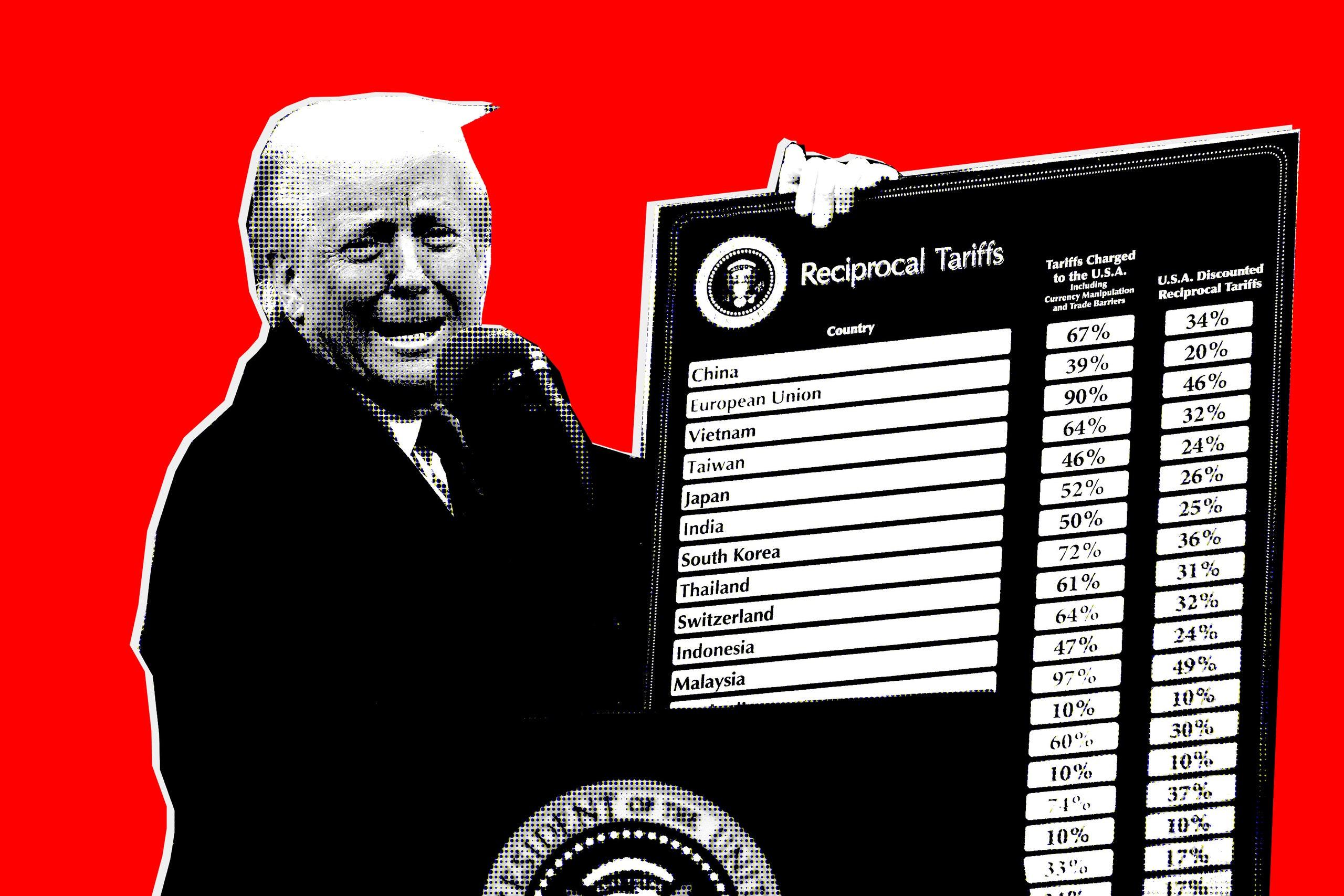
As the governance moves forward with its plan to impose new tariffs, the United States finds itself at a crossroads between economic protectionism and diplomatic solidarity. While the tariffs aim to shield domestic industries from foreign competition, experts warn that the repercussions may extend beyond the balance sheets, straining key alliances with longtime partners. This advancement raises pressing questions about the broader impact of trade policy on international relations and the future of American influence on the global stage.
Trump’s Tariffs Threaten Longstanding Trade Partnerships and Global Cooperation
President Trump’s imposition of tariffs has considerably strained relationships with key trade partners, casting uncertainty over the durability of alliances that have underpinned global commerce for decades.The administration’s aggressive trade policies, aimed ostensibly at protecting American industries, have provoked retaliatory tariffs from allies including Canada, the European Union, and Mexico. This escalating tit-for-tat undermines decades of negotiated agreements such as NAFTA and the WTO framework, risking a fragmentation of the global trade system that has facilitated economic growth and cooperation since the post-World War II era.
These tariff disputes reveal broader concerns beyond economic metrics. Key consequences include:
- Disruption in supply chains critical to multinational corporations
- Increased costs for U.S. manufacturers relying on imported components
- Damage to diplomatic relations that extend beyond trade policy
Such repercussions not only challenge the United States’ leadership role but also complicate efforts to collaborate on global issues such as climate change and security. The delicate balance that has historically allowed for coordinated responses among nations now faces unprecedented tests as economic nationalism drives wedges in longstanding partnerships.
| Trade Partner | Primary Industry Affected | Retaliatory Action |
|---|---|---|
| Canada | Steel & Aluminum | Tariff on U.S. agricultural products |
| European Union | Automobiles | Tariff on U.S. whiskey and motorcycles |
| Mexico | Manufacturing | Tariff on U.S.pork and cheese |
Economic Consequences for U.S. Allies and the Risks of Retaliatory Measures
The trade measures introduced under the Trump administration have sent shockwaves through the economies of long-standing U.S. allies, complicating diplomatic ties that have been carefully nurtured over decades. Industries across Canada, the European Union, Japan, and South Korea have felt immediate pressure, facing increased costs and disrupted supply chains. Such as, steel and aluminum tariffs imposed on these nations have spurred rising prices in manufacturing sectors that depend heavily on raw materials imported from the U.S. As a result, several allies have reported declines in export orders and overall economic growth projections for 2024, signaling potential cascading effects beyond initial industries.
The risk of retaliation looms large as affected countries contemplate countermeasures to protect their markets and industries. These responses could include:
- Targeted tariffs on American agricultural products and manufactured goods.
- Legal challenges via the World Trade Organization seeking resolution and rollback of tariffs.
- Strategies to diversify trade partnerships reducing reliance on the U.S.market over time.
Such steps threaten to ignite a trade war scenario, ultimately dampening global economic stability and undermining the mutual benefits that allies have traditionally shared. Below is a snapshot of potential economic impacts by region:
| Region | Key Impact | Retaliatory Risk |
|---|---|---|
| Canada | Manufacturing slowdown, reduced exports | Tariffs on U.S. automotive goods |
| European Union | Agricultural export losses, steel industry pressure | Surcharges on U.S. tech products |
| Japan | Supply chain disruptions in electronics and automotive | Higher duties on U.S. consumer electronics |
| South Korea | Decreased semiconductor component exports | Levies on U.S. agricultural imports |
Balancing National Interests with Diplomatic Relations in Trade Policy
Implementing tariffs as a tool for economic protection frequently enough forces a delicate dance between asserting national interests and maintaining strong diplomatic ties. While the Trump administration’s approach focuses on correcting trade imbalances and protecting domestic industries, it has triggered friction with key allies who perceive these measures as abrupt and unilateral. This strain endangers longstanding partnerships that have been foundational to U.S. strategic and economic positioning worldwide. The impact extends beyond economics, challenging cooperation on broader geopolitical issues and weakening the collective leverage that comes from unified international relations.
The trade policy shifts have also revealed a complex web of consequences for global markets and diplomatic dynamics. Allies face tough decisions balancing their economic interests with the need to preserve diplomatic goodwill, often leading to reevaluation of trade agreements and strategic alliances.Consider the following areas affected by tariff policies:
- Market Volatility: Sudden changes in tariffs disrupt supply chains, affecting price stability and investment confidence.
- Negotiation Stalemates: Heightened tensions make consensus-building on multilateral trade deals more difficult.
- Diplomatic Frictions: Allies question U.S.reliability as a trading partner, prompting risk diversification.
| Dimension | U.S. Objective | Allied Concern |
|---|---|---|
| Tariff Levels | Boost domestic manufacturing | Risk of retaliatory tariffs |
| Trade Agreements | Renegotiate for stronger terms | Threat to existing commitments |
| Diplomatic Trust | Assert leadership | Perceived unpredictability |
Strategic Recommendations for Mitigating Damage to U.S. Alliances
To preserve the integrity of long-standing alliances while navigating the repercussions of tariff adjustments, policymakers must adopt a multipronged approach. Engaging in transparent dialog with allied nations prior to implementing trade barriers can reduce misunderstandings and build mutual trust. Furthermore,reinforcing existing diplomatic channels — through joint economic councils or trade forums — ensures continuous collaboration,mitigating feelings of isolation or betrayal among partners. A commitment to reciprocal fairness rather than unilateral advantage will foster a resilient alliance network even amid protectionist policies.
Practical measures to sustain these alliances include tailored economic support packages and strategic exemptions, which recognize the unique economic interdependencies between the U.S. and its allies. The following table outlines suggested initiatives that balance U.S. tariff objectives with alliance preservation:
| Initiative | Objective | Expected Outcome |
|---|---|---|
| Targeted Tariff Exemptions | Protect sensitive industries within allies | Reduced economic friction, sustained cooperation |
| Joint Economic Impact Assessments | Align tariff policies with mutual benefits | Informed decision-making, minimized unintended consequences |
| Bilateral Trade Adjustment Support | Assist industries adapting to new tariffs | Economic stability, maintained employment |
| Enhanced Strategic Dialogues | Strengthen dialogue frameworks | Preemptive conflict resolution, increased trust |
Wrapping Up
As the Trump administration presses forward with its tariff policies, the costs extend beyond economic calculations, reverberating through longstanding international relationships. While aiming to protect American industries, these measures risk alienating key allies and reshaping the global trade landscape. Moving forward, balancing domestic interests with diplomatic ties will remain a critical challenge for U.S. policymakers navigating an increasingly complex geopolitical environment.