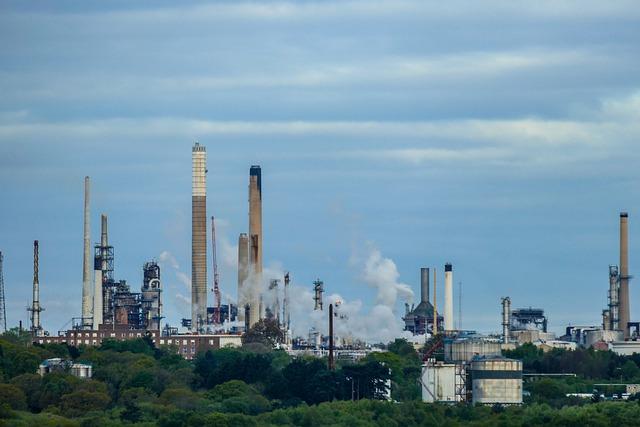
Chevron, one of the world’s largest oil companies, stands poised to capitalize on the reopening of Venezuela’s vast energy sector. With the South American nation easing sanctions and seeking foreign investment amid a protracted economic crisis, industry analysts suggest Chevron could emerge as the primary beneficiary. This progress marks a significant shift in U.S.-Venezuela relations and offers a potential lifeline for both the struggling Venezuelan oil industry and Chevron’s growth ambitions. The following article explores the factors positioning Chevron to reap the biggest rewards from Venezuela’s evolving energy landscape.
Chevron’s Strategic Position in Venezuela’s Oil Sector
Chevron stands out as a dominant player in Venezuela’s hydrocarbons arena, leveraging decades of experience and entrenched relationships to secure pivotal drilling rights amidst shifting geopolitical landscapes. While many multinational corporations have retreated due to sanctions and the country’s complex political climate, Chevron has balanced compliance with US policies and pragmatic engagement with Venezuela’s state-run oil giant, PDVSA.This dual approach positions the company to capitalize on the nation’s vast but underutilized reserves, especially in the Orinoco Belt, where heavy crude extraction could see a marked increase with Chevron’s advanced technology and investment.
Key assets and advantages include:
- Exclusive access to some of the world’s largest untapped extra-heavy oil fields
- Long-term joint ventures providing operational control and revenue share
- Robust infrastructure enabling sustained production despite sanctions
- Technical expertise in enhanced oil recovery methods increasing output efficiency
| Factor | Impact on Chevron |
|---|---|
| U.S. Sanctions | Limits competitors, boosts Chevron’s unique position |
| Venezuelan Oil Reserves | Second largest worldwide, promising expansive growth |
| Production Capacity | Current output below potential – room to scale |
| PDVSA Collaboration | Key to maintaining operations and market access |
Navigating Political Risks and Economic Sanctions
Chevron’s potential resurgence in Venezuela hinges on its ability to adeptly navigate a landscape marked by stringent economic sanctions and volatile political dynamics. Venezuela remains subject to U.S. sanctions targeting its oil sector,which complicate investment decisions but also limit competition. Chevron’s past ties and negotiated exemptions provide it with a distinct advantage, allowing selective engagement while minimizing regulatory risks. The company’s compliance strategies emphasize monitoring sanction policies closely and fostering transparent dialogue with authorities to sustain operational legitimacy.
Key elements in Chevron’s risk management framework include:
- Adaptive contract structuring: Flexibility in deal terms to respond swiftly to changing sanction regulations.
- Robust governance: Internal controls ensuring adherence to U.S. and international laws.
- Strategic partnerships: Collaborations with local entities to facilitate smooth on-ground operations while respecting geopolitical sensitivities.
| Risk Factor | Mitigation Strategy | Impact on Chevron |
|---|---|---|
| U.S. Sanctions | Obtaining targeted licenses | Continued limited operations |
| Political Instability | Local stakeholder engagement | Reduced operational disruptions |
| Oil Price Volatility | Hedging and cost control | Maintained profitability |
Opportunities for Expanding Production and Profitability
Chevron’s renewed ventures in Venezuela open doors to one of the largest untapped oil reserves globally. Situated amidst Venezuela’s complex political landscape, these opportunities signal a strategic shift, allowing Chevron to bolster production capacity while navigating an evolving market. Access to Venezuela’s heavy crude reserves offers Chevron a significant edge, as it can capitalize on existing infrastructure and favorable government terms to escalate output efficiently.
Key areas fueling potential growth:
- Joint ventures with state oil company PDVSA: Enhancing resource sharing and risk mitigation.
- Technology upgrades: Implementing advanced extraction techniques to optimize heavy crude recovery.
- Market repositioning: Leveraging geopolitical shifts to secure export channels and better pricing.
| Prospect | Projected Impact | Timeframe |
|---|---|---|
| Increased production capacity | Up to 300,000 barrels/day | 2-3 years |
| Cost reduction through technology | 15% lower extraction costs | 1-2 years |
| Expanded market access | Access to new Asian and European buyers | Immediate to 1 year |
With these dynamics at play, Chevron stands to not only maximize short-term profits but also lay the groundwork for enduring long-term returns. By refining its operational approach and exploiting Venezuela’s resource wealth, Chevron could substantially augment its global standing and shareholder value amid the shifting energy paradigm.
Recommendations for Sustainable Investment and Stakeholder Engagement
To ensure long-term value creation and mitigate risks in emerging markets like Venezuela, investors must prioritize sustainable investment practices. This entails conducting extensive environmental, social, and governance (ESG) due diligence prior to engagement, recognizing the region’s complex socio-political landscape. Key strategies include:
- Collaborating with local communities to foster trust and address socio-economic concerns.
- Adopting transparent operational standards to minimize environmental impact.
- Engaging with multi-stakeholder platforms to align business objectives with regional development goals.
Effective stakeholder engagement demands consistent communication and adaptability. Companies like Chevron can leverage their extensive experience by establishing structured dialogue forums that incorporate government agencies, NGOs, and community leaders. The adoption of data-driven metrics to monitor progress further supports responsible investment. The table below outlines essential pillars of sustainable engagement:
| Engagement Pillar | Key Action | Expected Outcome |
|---|---|---|
| Environmental Stewardship | Implement low-impact technologies | Reduced ecological footprint |
| Community Involvement | Create local employment opportunities | Enhanced socio-economic resilience |
| Governance & Transparency | Regular public reporting | Increased stakeholder trust |
In Conclusion
As Chevron navigates the complex geopolitical landscape of Venezuela, its unique position underscores the broader interplay between global energy markets and international diplomacy. While challenges remain, the company’s ability to capitalize on Venezuela’s vast oil reserves could not only reshape its own fortunes but also influence the regional energy dynamics. Observers will be watching closely as this story develops, with Chevron standing at the center of a high-stakes gamble that could yield significant rewards.