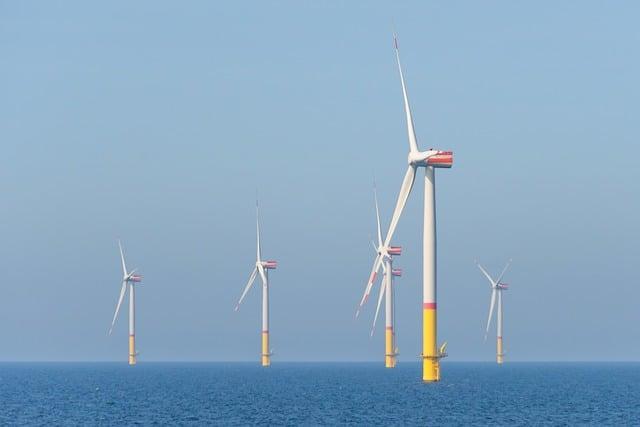
New York, alongside six other states, has initiated a lawsuit challenging the Trump administration’s decision to terminate a major offshore wind energy project. The move marks a meaningful legal confrontation over federal energy policy, highlighting ongoing tensions between state-led renewable initiatives and the previous administration’s regulatory approach. The lawsuit underscores the growing stakes in the nation’s clean energy transition and the political battles surrounding it.
New York and Six States Challenge Federal Decision to Halt Offshore Wind Project
A coalition led by New York and six other states has formally challenged the federal government’s recent decision to terminate a major offshore wind project.The legal action contests the Trump administration’s abrupt move, which industry experts say threatens the progress of renewable energy initiatives vital for combating climate change and creating green jobs along the Eastern Seaboard.The lawsuit highlights concerns about the administrative overreach and the potential economic setbacks for coastal communities that have invested heavily in the promise of offshore wind development.
Supporters of the project emphasize its multiple benefits, including:
- Job creation: Thousands of new employment opportunities in construction, manufacturing, and maintenance.
- Clean energy production: Significant reductions in carbon emissions by replacing fossil fuels.
- Economic stimulus: Boosting local economies through investment and infrastructure development.
- Energy independence: Enhancing resilience of the power grid with renewable sources.
| State | Projected Jobs | Expected Capacity (MW) |
|---|---|---|
| New York | 10,000+ | 1,700 |
| New Jersey | 8,000+ | 1,200 |
| Massachusetts | 7,500+ | 1,600 |
| Maryland | 4,000+ | 900 |
| Delaware | 1,500+ | 300 |
| Rhode Island | 1,200+ | 400 |
| Virginia | 5,000+ | 1,000 |
Environmental and Economic Implications of the Trump Administration’s Offshore Wind Policy
The abrupt cancellation of the offshore wind project under the Trump administration has yielded significant environmental setbacks. Offshore wind farms are critical in reducing carbon emissions by providing a clean, renewable energy source that mitigates dependence on fossil fuels. By halting development, the administration potentially delayed progress toward achieving regional climate goals and jeopardized marine ecosystems benefiting from reduced pollution.Environmental groups warn that this regression may hinder the United States’ ability to meet international commitments on climate change.
Economically, the decision disrupts a nascent industry with the potential to generate thousands of jobs and billions in investment. The project was projected to stimulate local economies through:
- Construction and manufacturing roles in turbine and component production
- Long-term maintenance and operational employment for coastal communities
- Increased tax revenues and infrastructure development in port and related sectors
| Economic Impact | Projected Figures |
|---|---|
| Jobs Created | 15,000+ |
| Investment Value | $6.5 Billion |
| Annual Energy Output | Up to 2 GW |
Legal Arguments and State Strategies in the Ongoing Offshore Wind Litigation
The coalition of states, led by New York, is basing their challenge on several key legal grounds. Central to their argument is the contention that the Trump administration’s abrupt termination of the offshore wind project violates federal environmental and administrative laws, including the National Environmental Policy Act (NEPA) and the Outer Continental Shelf Lands Act (OCSLA).These statutes require complete environmental review and public consultation before changes to federally approved projects are enacted. The states argue that the administration sidestepped essential procedures,undermining transparency and ignoring the significant climate benefits that offshore wind energy provides.
In response, the states have pursued a multi-pronged strategy to reinstate the project and prevent future disruptions. This includes:
- Seeking immediate injunctive relief to halt further administrative rollback.
- Mobilizing public and political support to emphasize the economic and environmental importance of offshore wind jobs.
- Collaborating with environmental advocacy groups to strengthen scientific and legal arguments.
- Lobbying for state-level legislative safeguards that protect renewable energy initiatives from federal interference.
| State | Key Legal Focus | Strategic Priority |
|---|---|---|
| New York | NEPA Violations | Injunction & Public Mobilization |
| Massachusetts | OCSLA Compliance | Environmental Partnerships |
| Rhode Island | State Energy Policy | Legislative Protections |
Recommendations for Supporting Renewable Energy Initiatives Amid Policy Uncertainty
To effectively sustain momentum in renewable energy projects despite policy fluctuations,states and stakeholders can adopt a multi-faceted strategy. First and foremost, strengthening regional alliances can create a unified front that pressures for consistent energy policies. Collaborative frameworks allow sharing of resources, legal expertise, and political influence, reducing the vulnerability individual states face when federal directives shift abruptly. Moreover, diversifying investment channels ensures that renewable initiatives maintain funding streams even when government support wanes. Public-private partnerships, green bonds, and community-based financing should be prioritized to create a robust economic habitat for clean energy development.
Equally critical is enhancing public outreach and education campaigns to generate widespread community backing, which in turn exerts grassroots pressure on policymakers to maintain favorable renewable energy policies. States might also consider institutionalizing long-term regulatory mechanisms such as binding offshore wind standards or mandated renewable portfolio targets that extend beyond single administrations. Below is a simple overview of recommended actions for stakeholders aiming to navigate policy uncertainties while keeping renewable projects on track:
| Recommendation | Benefit |
|---|---|
| Strengthen Regional Alliances | Amplifies political leverage |
| Diversify Investment Sources | Ensures financial resilience |
| Launch Public Awareness Campaigns | Builds community support |
| Enact Long-Term Regulatory Mechanisms | Secures policy continuity |
Key Takeaways
As legal battles unfold over the Trump administration’s move to halt a key offshore wind project, New York joins six other states in challenging the decision, underscoring the growing tensions between federal policy and state-led renewable energy initiatives.The outcome of this lawsuit could have significant implications for the future of clean energy development and federal-state relations in the United States. PBS will continue to monitor this story closely, providing updates on this pivotal moment in the nation’s energy landscape.