
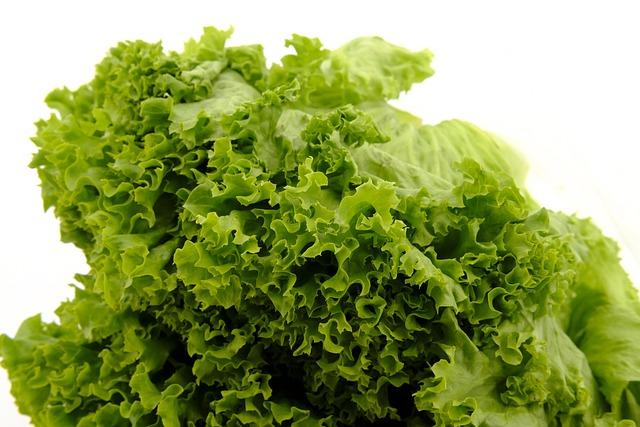
Taylor Farms and Sysco have initiated a voluntary recall of iceberg lettuce sourced from central Mexico following a recent outbreak of a parasite linked to the contaminated produce in the United States. Health officials identified the outbreak through multiple reports of illness,prompting immediate action by the major suppliers to prevent further spread.The recall highlights ongoing concerns over food safety and the challenges of cross-border produce distribution amid rising public health risks.
Taylor Farms and Sysco Respond to Parasite Outbreak Linked to Iceberg Lettuce from Central Mexico
Taylor Farms and Sysco Corporation, two major players in the fresh produce supply chain, have issued a voluntary recall of iceberg lettuce sourced from Central Mexico following a recent surge in parasite-related illnesses in the United States. Health authorities identified the contaminated lettuce as the likely cause behind the outbreak, which has affected consumers across multiple states. Both companies are working closely with the U.S.Food and Drug Administration (FDA) and Mexican agricultural officials to trace the source and prevent further distribution.
The recall affects several batches distributed nationwide, with patients reporting symptoms consistent with parasitic infection. Consumers who have purchased iceberg lettuce from Central Mexico are advised to discard it promptly and seek medical attention if experiencing gastrointestinal distress. Below is a summary of key details regarding the recall:
| Company | Product | Source Region | Recall Status |
|---|---|---|---|
| Taylor Farms | Iceberg Lettuce | Central Mexico | Voluntary Recall |
| Sysco Corporation | Iceberg Lettuce | Central Mexico | Voluntary Recall |
- Recall Initiation: Prompted by parasite outbreak investigations
- Health Advisory: Consumers urged to dispose of affected products
- Coordination: Ongoing collaboration between U.S. and Mexican agencies
Health Officials Investigate Cyclospora Cases Across the United States
Federal and state health authorities are intensifying their response to a multi-state outbreak of Cyclospora infections linked to iceberg lettuce sourced from central Mexico. In a coordinated effort, Taylor Farms and Sysco have voluntarily recalled the implicated lettuce products as investigations continue to trace the contamination to specific farms. Cases have been reported in numerous states, prompting warnings for consumers to be vigilant and discard any suspect produce purchased within recent weeks.
Key details of the investigation include:
- The recalled lettuce was distributed primarily through major foodservice providers and retail chains.
- Symptoms of Cyclospora infection include prolonged diarrhea,fatigue,and abdominal cramps,often appearing days after consumption.
- Health officials emphasize proper washing of fresh produce; though, the internalization of the parasite makes contamination difficult to eliminate without removing affected batches entirely.
| Company | Product | Distribution Area |
|---|---|---|
| Taylor Farms | Iceberg Lettuce | Nationwide |
| Sysco | Iceberg Lettuce | Selective states |
Implications for Food Safety Protocols in Produce Supply Chains
The recent recall of iceberg lettuce supplied by Taylor Farms and Sysco, linked to a parasitic outbreak, underscores the urgent need for fortified food safety protocols throughout produce supply chains. Companies must prioritize robust traceability systems to instantly identify and isolate contamination sources, reducing exposure risks. Enhanced testing procedures at multiple stages, from farm to distribution centers, can detect parasitic threats early. Moreover,rigorous supplier audits and complete worker hygiene training are essential to curb pathogen transmission,especially in high-risk regions.
Adopting advanced technology such as blockchain for transparent record-keeping and real-time monitoring could revolutionize food safety management. Establishing stricter cross-border collaboration between U.S. and Mexican regulatory agencies will also help harmonize standards and prevent similar outbreaks. The table below summarizes potential protocol improvements:
| Protocol Aspect | Recommended Action |
|---|---|
| Traceability | Implement blockchain-based farm-to-fork tracking |
| Testing | Increase frequency of parasite screening |
| Supplier Evaluation | Conduct comprehensive third-party audits |
| Worker Hygiene | Mandatory training and sanitary protocols |
| Regulatory Collaboration | Formalize bilateral safety standards |
Consumer Guidance on Identifying and Avoiding Contaminated Leafy Greens
To safeguard against potential contamination, shoppers should prioritize purchasing leafy greens from reputable sources that adhere to rigorous safety standards.It is indeed advisable to look for certifications such as Good Agricultural Practices (GAP) and to scrutinize product origins – especially avoiding iceberg lettuce labeled as coming from regions currently linked to outbreaks. Consumers can also reduce risk by thoroughly washing greens under running water and avoiding pre-packaged greens if clarity on sourcing is unavailable.
When selecting leafy greens at the store or market, be vigilant about these key indicators:
- Visual Quality: Avoid wilted, discolored, or slimy leaves.
- Label Clarity: Choose products with detailed sourcing and harvesting facts.
- Packaging Integrity: Check for intact, sealed packaging without signs of damage or tampering.
| Safety Tip | Recommended Action |
|---|---|
| Source Verification | Buy from trusted brands and verify country of origin. |
| Proper Handling | Wash thoroughly with cold water before consumption. |
| Storage | Refrigerate promptly to inhibit bacterial growth. |
in summary
As investigations continue into the source of the parasite outbreak linked to iceberg lettuce from central Mexico, both Taylor Farms and Sysco have taken immediate action by withdrawing affected products from distribution. Health officials urge consumers to stay informed and exercise caution when handling fresh produce. Authorities are working closely with suppliers to ensure food safety standards are upheld and to prevent further public health risks. Updates on the situation will be closely monitored as more information becomes available.