


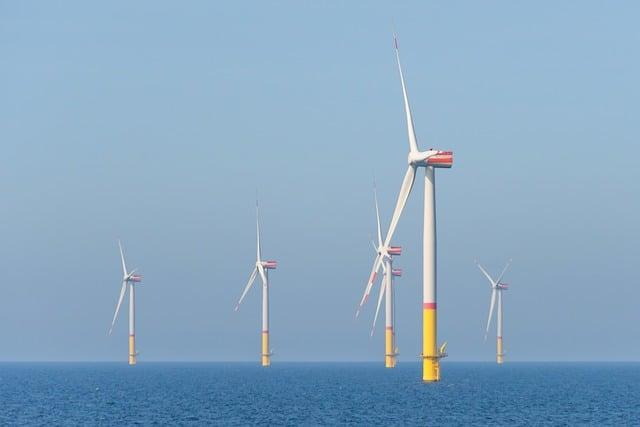
California and New York have launched a joint legal challenge against the Trump management’s efforts to block offshore wind energy projects,marking a notable clash over the future of clean energy development in the United States. The lawsuit,filed amid rising tensions over federal environmental policies,underscores the states’ commitment to expanding renewable energy sources despite opposition from the outgoing administration. This legal battle highlights the broader conflict between state-level climate initiatives and federal regulatory actions under President Donald Trump’s administration.
California and New York Challenge Federal Attempts to Pause Wind Energy Expansion
California and New York have taken legal action against the federal government’s recent directive aimed at halting the expansion of offshore wind energy projects. This move is viewed by both states as a direct challenge to their aggressive renewable energy goals and commitments to combat climate change. The lawsuit contends that the federal suspension undermines states’ authority and endangers thousands of clean energy jobs, while delaying vital infrastructure needed to transition to sustainable power sources.
Key concerns raised in the lawsuit include:
- Economic impact: Potential loss of job opportunities in the burgeoning offshore wind sector.
- Environmental setbacks: Delays in reducing carbon emissions critical to meeting climate targets.
- State sovereignty: Federal overreach threatening state-led energy policies.
| State | Planned Offshore Wind Capacity (GW) | Target Year |
|---|---|---|
| California | 5.0 | 2030 |
| New York | 9.0 | 2035 |
Legal Arguments Emphasize Economic and Environmental Stakes of Wind Projects
California and New York’s legal challenge against the federal decision to suspend wind energy projects underscores significant economic and environmental concerns. Both states argue that halting these initiatives jeopardizes job creation in burgeoning renewable energy sectors, threatens progress towards aspiring climate goals, and undermines national efforts to reduce carbon emissions.The litigation highlights how proposed restrictions not only stall the growth of a critical clean energy industry but also disrupt investments supporting thousands of workers and local economies along the coastlines.
The lawsuit emphasizes several key stakes:
- Economic Impact: Loss of thousands of green jobs and billions in potential revenue from wind energy development.
- Environmental Consequences: Increased reliance on fossil fuels, leading to higher greenhouse gas emissions and missed emission reduction targets.
- Strategic Clean Energy Leadership: Risk of undermining U.S. competitiveness in the global renewable energy market.
| Aspect | California | New York |
|---|---|---|
| Planned Projects | 12 offshore wind farms | 9 offshore wind farms |
| Estimated Job Creation | 30,000+ jobs | 20,000+ jobs |
| Carbon Emission Savings | 4 million metric tons/year | 3 million metric tons/year |
Impact on Renewable Energy Goals Amid Federal-State Tensions
Federal intervention aimed at curbing offshore wind projects has sparked significant concerns among renewable energy advocates in California and New York. Both states argue that the move undermines their ambitious clean energy targets, threatening to slow down progress in reducing carbon emissions and combating climate change. The imposition of stringent federal regulations could delay critical infrastructure developments, push costs higher, and ultimately challenge state-led initiatives focused on sustainable energy solutions.
Key implications include:
- Potential setbacks in meeting 2030 and 2045 renewable energy milestones
- Reduced investments in green technologies and job creation
- Heightened legal battles over jurisdictional authority between federal and state governments
- Increased uncertainty for energy developers and stakeholders
| State | Renewable Energy Goal | Status |
|---|---|---|
| California | 100% Clean Electricity by 2045 | At Risk |
| New York | 70% Renewable by 2030 | Potential Delays |
Policy Recommendations for Balancing Energy Development and Regulatory Oversight
To address the emerging conflict between energy development ambitions and regulatory frameworks, policymakers must adopt a multifaceted approach that ensures both sustainable growth and environmental protection. A clear and adaptive regulatory process can facilitate the timely approval of wind projects while maintaining rigorous environmental reviews to protect sensitive ecosystems and wildlife habitats. Furthermore, early-stage stakeholder engagement, including local communities and indigenous groups, is essential to build trust and minimize project delays caused by opposition or litigation.
Key strategies to harmonize energy goals with oversight include:
- Streamlining permitting processes with clear timelines and criteria to reduce bureaucratic bottlenecks.
- Implementing dynamic environmental assessments that evolve with technological advances and new data.
- Establishing dedicated interagency coordination teams to tackle overlapping jurisdictional challenges.
- Incentivizing innovation in turbine design and placement to mitigate ecological impacts.
| Policy Element | Expected Outcome |
|---|---|
| Transparent timelines | Reduced project delays |
| Early stakeholder input | Enhanced community support |
| Interagency cooperation | Streamlined approval processes |
| Adaptive environmental reviews | Minimized ecological disruptions |
Wrapping Up
As the legal battle unfolds, the lawsuits filed by California and New York mark a significant challenge to federal efforts aimed at curbing the expansion of wind energy projects. The outcome could have broad implications for the future of renewable energy development in the United States,underscoring the ongoing tensions between environmental priorities and federal regulatory actions. Stakeholders and observers alike will be closely watching the case as it progresses through the courts.


