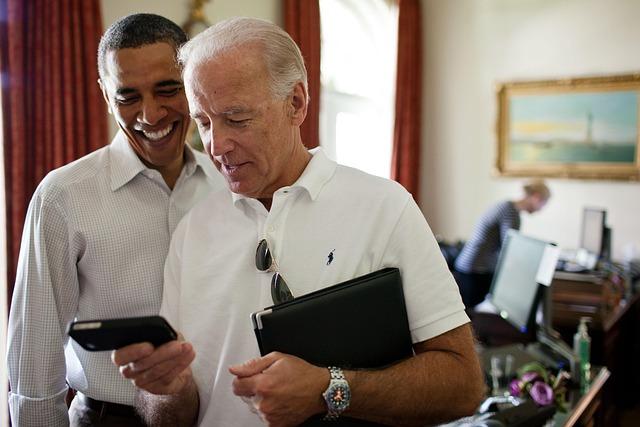
Former President Barack Obama has urged incoming House Democrats to maintain and intensify their outreach efforts in traditionally conservative red districts, emphasizing the importance of sustained engagement beyond election cycles. In a message echoed in recent speeches and interviews, Obama stressed that building lasting connections with voters in these areas is vital for advancing the party’s agenda and fostering bipartisan cooperation. As Democrats prepare to take on new roles in Congress, the call to deepen ties in Republican strongholds underscores a strategic shift aimed at broadening the party’s appeal and addressing the nation’s deep political divisions.
Obama Urges Persistent Engagement in Conservative Districts
Former President Barack Obama emphasized the critical importance of maintaining a strong presence in conservative districts, urging newly elected House Democrats to sustain and deepen outreach efforts. His message underscored that victories in red areas require more than occasional visits or campaign season attention; instead, consistent dialog and relationship-building are essential to bridge ideological divides.Obama pointed out that persistent engagement helps combat misinformation and fosters trust, enabling legislative progress that reflects a broader spectrum of American voices.
To effectively navigate these politically challenging terrains, Obama recommended a multi-faceted approach, including:
- Community listening tours to gather local perspectives and concerns
- Partnerships with grassroots organizations focused on economic and social issues
- Obvious and regular communication beyond social media to include town halls and newsletters
| Outreach Strategy | Expected Impact |
|---|---|
| Listening Tours | Build empathy and identify key local priorities |
| Grassroots Partnerships | Mobilize community advocates and increase voter engagement |
| Regular Communication | Enhance openness and sustain trust |
Strategic Outreach Tactics for Building Trust in Red Areas
Engagement in traditionally conservative districts requires a nuanced, consistent approach that emphasizes connection beyond party lines. Effective outreach prioritizes listening over speaking, allowing candidates and representatives to understand local priorities and concerns directly from constituents.Building trust hinges on authenticity and respect, not merely on policy pitches or campaign promises. Initiatives such as town halls, community service projects, and bipartisan forums enable Democrats to demonstrate genuine investment in community well-being, fostering incremental changes in perceptions that transcend political divides.
Moreover, data-driven precision in outreach helps tailor messages in a way that resonates on a personal level. The strategy includes:
- Targeted voter education: Clarifying misconceptions and highlighting mutual values.
- Engagement with local influencers: Leveraging trusted community leaders to bridge political gaps.
- Long-term presence: Sustaining regular communication beyond election cycles.
These tactics, when deployed consistently, break down barriers that have historically limited Democratic success in red regions by humanizing the party and fostering a political environment where dialogue prevails over division.
Balancing Constituent Needs with Party Priorities
Obama emphasized the importance of maintaining a delicate equilibrium between advancing the Democratic agenda and addressing the unique concerns of constituents in traditionally conservative districts. He urged incoming House Democrats to engage persistently with red-area voters, recognizing that meaningful dialogue and trust-building are essential for long-term success. By actively listening to local issues-such as economic progress, healthcare access, and education-lawmakers can tailor their messaging without compromising party principles.
Strategic outreach efforts must be multifaceted, incorporating both grassroots initiatives and policy transparency.Lawmakers are encouraged to:
- Host regular town hall meetings to foster open communication
- Highlight bipartisan solutions that resonate locally
- Collaborate with community leaders to bridge ideological divides
Achieving this balance not only strengthens Democratic footholds in hostile territory but also enriches the party’s broader legislative agenda by incorporating diverse perspectives.
Lessons from Past Campaigns to Strengthen Democratic Presence
Reflecting on previous election cycles, it is clear that sustained engagement in historically challenging districts can shift political dynamics over time. Obama highlighted the importance of consistent, localized outreach, emphasizing that moments of victory are frequently enough the culmination of years spent building trust with communities. Campaigns that have prioritized door-to-door conversations, active listening sessions, and grassroots organizing have seen notable improvements in voter turnout and persuasion within red areas.
Key strategies that have demonstrated success include:
- Leveraging local leaders: Collaboration with respected community figures helps break down skepticism and fosters a sense of authenticity.
- Tailored messaging: Addressing specific local concerns rather than relying on broad national narratives improves relatability and resonates more deeply.
- Consistent follow-up: Ensuring contact does not end after election day builds a foundation for long-term political presence.
| Year | District Type | Outcome | Key Lesson |
|---|---|---|---|
| 2018 | Traditionally Red | Flipped | Persistent ground game wins votes |
| 2020 | Mixed | Increased Margin | Localized issues trump broad themes |
| 2022 | Strongly Red | Reduced Gap | Long-term commitment increases trust |
Wrapping Up
As Democrats prepare to take their seats in the House,former President Barack Obama’s call to maintain robust outreach efforts in traditionally red districts underscores a strategic emphasis on bridging divides and expanding the party’s appeal. The effectiveness of sustained engagement in these areas may well shape the political landscape in the coming years, reflecting a broader effort to foster dialogue and address the concerns of all Americans. Observers will be watching closely to see how this approach influences Democratic policy priorities and electoral dynamics moving forward.