
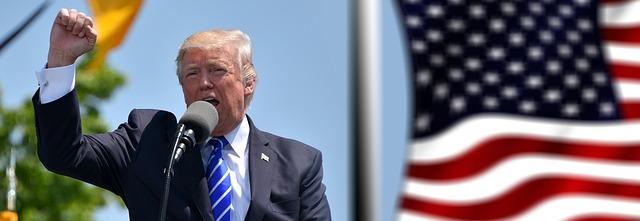
In a notable shift from previous rhetoric, former President Donald Trump stated in a recent interview that he will accept the results of the upcoming election. The remarks, reported by The New York Times, mark a important progress in the ongoing discourse surrounding election integrity and political rhetoric ahead of the 2024 presidential race. This article examines the implications of Trump’s statement and its potential impact on voters and the broader political landscape.
Trump Signals Willingness to Uphold Democratic Process Amid Election Tensions
In a significant development amid ongoing election controversies, former President Donald Trump publicly acknowledged his readiness to respect the electoral outcome. During a sit-down interview, Trump emphasized his commitment to the constitutional process, signaling a possible shift from his previously contested claims. This declaration marks a noteworthy moment in the broader political discourse, reflecting an acknowledgment of foundational democratic principles despite existing tensions.
Key points highlighted during the interview included:
- Commitment to uphold the peaceful transfer of power, irrespective of election results.
- Recognition of legal channels as the appropriate means for addressing electoral grievances.
- An appeal for national unity and stability amid heightened partisan divisions.
| Aspect | Trump’s Current Stance | Impact |
|---|---|---|
| Election Outcome | Acceptance | Reduces political uncertainty |
| Legal Challenges | Continued but within framework | Maintains judicial respect |
| Public Messaging | Calls for unity | Mitigates partisan tension |
Analysis of Key Statements Underscores Potential Shift in Political Rhetoric
Recent remarks suggest a potential recalibration in the interaction strategy traditionally adopted by the former president. This newfound stance highlights a notable departure from previous declarations that cast doubt on electoral legitimacy. Observers emphasize that such shifts could influence both the political landscape and public perceptions as the election cycle intensifies. Key elements of the statements reveal a nuanced approach:
- Explicit acceptance of the electoral process outcome
- Reaffirmation of the democratic system’s integrity
- Invitation to move beyond divisive rhetoric
Analyzing the context and implications, it becomes clear this rhetoric might represent a strategic effort to appeal to a broader electorate. This pivot could affect campaign narratives and voter engagement dynamics. Below is a brief comparative table of rhetoric themes previously versus currently observed:
| Aspect | Previous Statements | Current Statements |
|---|---|---|
| Election Legitimacy | Questioned results openly | Acceptance emphasized |
| Tone | Confrontational and defensive | Measured and conciliatory |
| Focus | Legal challenges | Unification and moving forward |
Implications for 2024 Election and Party Dynamics Examined
Donald Trump’s recent declaration that he will accept the 2024 election results marks a notable shift in his political rhetoric, setting a new tone for the upcoming electoral contest. This statement could play a pivotal role in reducing partisan tensions that have escalated over past election cycles, potentially fostering a more orderly and respectful political habitat. For the Republican Party, this development offers an chance to recalibrate its messaging strategy, focusing on policy pledges rather than election legitimacy concerns, which have dominated headlines in recent years.
Political analysts suggest several key implications of this shift:
- Unity within the GOP: The acceptance stance may help mend fractures between Trump loyalists and more traditional conservatives,encouraging a unified front ahead of the primaries.
- Democratic Party Strategy: Democrats might adjust their campaign tactics,emphasizing policy contrast over electoral disputes,potentially altering voter engagement dynamics.
- Voter Confidence: With clarity on election outcome acceptance, public trust in the democratic process could be bolstered, increasing overall voter turnout.
| Aspect | Potential Impact |
|---|---|
| Party Cohesion | Improved GOP unity ahead of critical 2024 primaries |
| Campaign Focus | Shift towards policy discussions over election legitimacy |
| Voter Sentiment | Increased confidence and participation in the electoral process |
Experts Recommend Strategies to Foster Bipartisan Trust and Voter Confidence
Building bipartisan trust and reinforcing voter confidence remains a critical challenge in today’s political landscape.Experts emphasize that transparent communication and consistent adherence to electoral rules are foundational steps. They advocate for autonomous election oversight commissions to ensure impartiality and address public skepticism. Additionally,fostering bipartisan dialogues between party leaders can help bridge divides and create unified messages that promote the integrity of democratic processes.
Practical measures were also highlighted, including:
- Regular public briefings by election officials explaining procedures and safeguards.
- Enhanced voter education programs that detail how votes are counted and verified.
- Legislative efforts to protect election infrastructure from cyber threats.
- Promotion of fact-based reporting by media outlets to counter misinformation.
| Strategy | Impact | Stakeholder |
|---|---|---|
| Election oversight commissions | Improved transparency | Government & NGOs |
| Voter education campaigns | Higher voter confidence | Community Organizations |
| Cybersecurity enhancements | Reduced interference risks | Election Agencies |
| Bipartisan public statements | Strengthened unity | Political Leaders |
The Way Forward
In concluding his remarks, former President Donald Trump emphasized his commitment to respecting the democratic process, stating that he will accept the results of the upcoming election. This declaration marks a notable moment in a political climate often characterized by contentious debates over election integrity. As the nation prepares for the next presidential vote, Trump’s statement may influence both public discourse and the broader political landscape. The New York Times will continue to monitor developments and provide in-depth coverage on this evolving story.