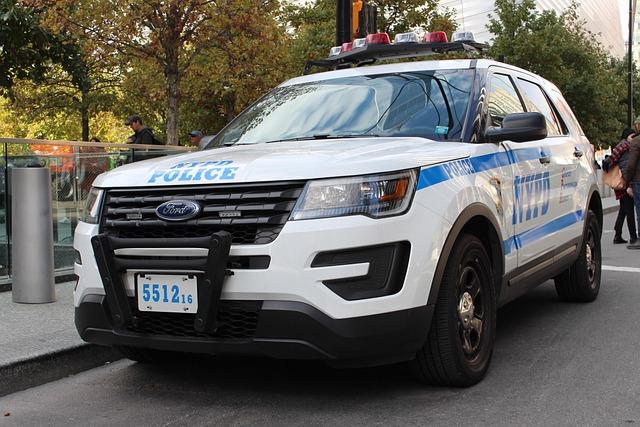
The New York Police Department has officially reinstated its once-divisive anti-crime unit,reviving a strategy that sparked widespread debate in previous years. As the NYPD seeks to curb rising crime rates, officials emphasize that the success of the revamped unit will hinge on learning from past errors and carefully balancing aggressive law enforcement with community trust. The move signals a renewed commitment to combating crime, but also raises questions about whether history will repeat itself or if new approaches will lead to more effective and equitable policing.
NYPD Revives Controversial Anti Crime Unit Amid Rising Crime Rates
The NYPD has brought back one of its most debated units in response to soaring crime rates across the city. This move revives a strategy that once drew notable criticism for its aggressive tactics and strained community relations. City officials and police leadership emphasize that while the unit’s mission remains to curb violent crime swiftly, there is a conscious effort to implement more transparent oversight and accountability mechanisms to prevent past missteps.
Key changes to the unit include:
- Enhanced training on de-escalation and community engagement
- Stricter internal review processes for use-of-force incidents
- Regular public reporting to improve transparency
- Collaboration with local organizations to rebuild trust
| Metric | Previous Unit Performance | Current Focus |
|---|---|---|
| Crime Reduction | Mixed results | Measurable decrease in violent offenses |
| Community Relations | Weakened | Rebuilding and strengthening ties |
| Accountability | Insufficient oversight | Clear, consistent monitoring |
Analyzing Past Failures to Inform Future Policing Strategies
Reintroducing a unit with a fraught legacy demands a thorough examination of past operational pitfalls and community impact. Historically, the NYPD’s anti-crime unit faced criticism for overly aggressive tactics, disproportionate targeting of minority communities, and an erosion of public trust. Key lessons underscore the importance of transparency, accountability, and community engagement in policing strategies moving forward. Without these, there is a significant risk of repeating the cycle of mistrust and conflict that previously marred the unit’s reputation.
Data-driven approaches and rigorous oversight must be cornerstones of the unit’s revival. Evaluating prior outcomes reveals critical areas requiring reform:
- Use of force protocols need stringent review to minimize unnecessary escalation.
- Bias mitigation training must be prioritized to prevent racially disproportionate actions.
- Community advisory boards should be strengthened to ensure local voices influence operational decisions.
| Issue | Past Impact | Future Focus |
|---|---|---|
| Excessive Force | Increased complaints and lawsuits | De-escalation training & body cameras |
| Community Distrust | Reduced cooperation, protests | Regular community forums, transparency |
| Lack of Accountability | Internal investigations criticized | Independent oversight bodies |
Community Relations Key to Avoiding Previous Misconduct
Restoring public trust in the NYPD’s revived anti-crime unit hinges on robust community engagement. Past controversies largely stemmed from strained relationships between officers and neighborhoods, often fueled by aggressive tactics and a lack of transparency. To prevent repeating these errors, department leadership is focusing on proactive interaction, investing in training programs centered on cultural sensitivity, and fostering partnerships with local organizations.This collaborative approach aims to create a feedback loop, allowing residents to voice concerns and influence enforcement priorities.
Key strategies include:
- Implementing community liaison officers embedded within neighborhoods
- Hosting regular town hall meetings to discuss policing strategies
- Establishing independent oversight committees to review unit actions
- Providing ongoing de-escalation and implicit bias training for officers
By prioritizing these initiatives, the NYPD hopes to shift the narrative from suspicion to collaboration, ensuring accountability while effectively addressing crime. Success will depend on visible efforts to repair and maintain trust across diverse communities.
Recommendations for Transparent Oversight and Accountability Measures
Transparent oversight mechanisms are essential for rebuilding public trust in the resurrected unit. Establishing an independent civilian review board equipped with real-time monitoring authority can ensure that deployment and conduct align strictly with community standards and legal frameworks. This board should be empowered to access body camera footage, review complaint records, and conduct unannounced audits. A clear chain of accountability must be documented and publicly accessible, detailing responsibilities from frontline officers to senior leadership.
- Mandatory quarterly reporting on unit activities and outcomes
- Public dashboards showcasing anonymized data on stops, searches, and arrests
- Regular community forums for feedback and dialogue
- Implementation of de-escalation training evaluated by external experts
Accountability extends beyond procedural transparency; it requires a robust disciplinary framework paired with continuous officer education. The following table highlights key performance indicators (KPIs) recommended for ongoing evaluation of the unit’s impact and conformity to standards:
| KPI | Measurement Criteria | Reporting Frequency |
|---|---|---|
| Use-of-Force Incidents | Number and context of incidents per deployment | Monthly |
| Community Complaints | Evaluated by nature and outcome | Quarterly |
| De-escalation Success Rate | Percentage of incidents resolved without force | Biannually |
Closing Remarks
As the NYPD recommits to its controversial anti-crime unit, the department faces heightened scrutiny from both the public and advocacy groups. The challenge moving forward will be to strike a balance between effective crime reduction and safeguarding community trust. Success will ultimately depend on the NYPD’s ability to implement reforms, increase transparency, and learn from previous missteps. The coming months will reveal whether this renewed effort can achieve safer streets without repeating the mistakes that fueled widespread criticism in the past.