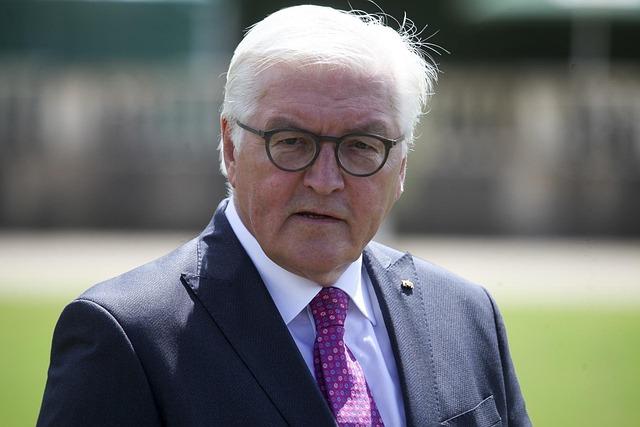
Cuban President Miguel Díaz-Canel has sharply criticized the United States, asserting that Washington has “no moral authority” in addressing issues related to Cuba. The remarks come amid escalating tensions between the two nations, as the Cuban leadership responds to renewed U.S. sanctions and ongoing political pressure. This latest exchange highlights the deep-rooted and continuing friction in U.S.-Cuba relations, with implications for regional diplomacy and international responses to Cuba’s internal affairs.
Cuban President Challenges US Credibility on Human Rights Issues
Criticism from Havana came as the Cuban leader called into question the United States’ longstanding position as a champion of human rights. During a recent speech, he underscored what he described as a pattern of hypocrisy, accusing Washington of selectively applying its moral standards to serve political agendas rather than genuine justice. He highlighted numerous instances of social and racial inequalities within the U.S., suggesting these internal challenges undermine its credibility on the international stage.
To illustrate his point, the president referenced key issues often overlooked in U.S. discourse:
- The high incarceration rates disproportionately affecting minority communities
- Systemic inequalities in healthcare and education access
- Cases of police violence sparking nationwide protests
| Human Rights Issue | U.S. Statistic | Cuban President’s Comment |
|---|---|---|
| Incarceration Rate | 2.3 million people imprisoned | “A mirror of systemic disparity” |
| Healthcare Access | Millions uninsured | “A failure to guarantee basic rights” |
| Police Violence | Hundreds of fatal shootings annually | “A stain on the nation’s conscience” |
Impact of Sanctions on Cuba US-Cuba Relations Strain Further
The ongoing sanctions imposed by the United States have further intricate the already fragile relationship between the two nations. Cuban officials claim that these measures exacerbate economic hardships,drastically limiting access to essential goods and services for the Cuban population. In response, the Cuban president vehemently criticized the US, stating it lacks moral authority to dictate terms or policies given its own domestic issues and foreign interventions.
Key consequences of sustained sanctions include:
- Severe restrictions on medical supplies and technology imports
- Increased inflation and currency instability
- Heightened social and political tensions within Cuba
A recent analysis highlights the economic impact in a concise table illustrating the consequences over the past three years:
| Year | GDP Decline (%) | Inflation Rate (%) | Unemployment (%) |
|---|---|---|---|
| 2021 | 4.8 | 25.3 | 12.4 |
| 2022 | 6.1 | 30.0 | 14.6 |
| 2023 | 5.5 | 28.7 | 15.2 |
Expert Analysis on the Political Ramifications for Both Nations
The Cuban president’s pointed criticism highlights a deepening ideological rift between Havana and Washington,underscoring decades of strained diplomatic relations. By declaring that the U.S. possesses “no moral authority,” the Cuban leadership is not only challenging American foreign policy but also seeking to galvanize domestic support amid ongoing economic pressures and international scrutiny. Analysts suggest that this rhetoric might be strategically timed to shift attention from internal challenges and to reassert Cuba’s sovereignty in the face of perceived external interference.
For the United States, such statements complicate efforts to normalize ties, especially as policymakers weigh the geopolitical implications of engaging with Cuba amid broader concerns in the Western Hemisphere.Experts identify several key ramifications for both nations:
- Diplomatic Stalemate: Diplomatic negotiations risk stagnation as mutual distrust deepens, potentially delaying cooperation on issues such as migration and counter-narcotics operations.
- Economic Sanctions Impact: Renewed rhetoric could harden the U.S.’s stance on sanctions,prolonging economic hardships for Cuban citizens.
- Regional Influence: Both countries may vie for increased influence in Latin America, leveraging alliances with other nations to bolster their respective positions.
| Aspect | Potential Outcome | Impact on Relations |
|---|---|---|
| Diplomatic Engagement | Paused or slowed talks | Increased tension |
| Economic Sanctions | Tighter restrictions possible | Worsened economic conditions |
| Public Opinion | Polarization grows | Hardening attitudes |
Recommendations for Diplomatic Engagement and Policy Reassessment
Considering the recent statements from the Cuban president,it is indeed imperative that diplomatic relations undergo a thorough reevaluation focused on restoring mutual respect and dialog. This recalibration should include:
- Enhanced dialogue channels to avoid misunderstandings that fuel mistrust.
- Neutral mediation efforts involving third-party voices to facilitate constructive conversations.
- Review of sanctions and trade restrictions aimed at mitigating humanitarian impacts while maintaining national security interests.
Policy reassessment must also acknowledge evolving geopolitical realities and the need for equitable engagement.The table below outlines some key areas requiring urgent attention and balanced approaches.
| Area of Concern | Recommended Action | Expected Outcome |
|---|---|---|
| Economic Sanctions | Gradual easing with humanitarian focus | Improved living standards and trust-building |
| Cultural Exchanges | Expand bilateral programs | Foster better understanding and cooperation |
| Diplomatic Presence | Reinstate full diplomatic representation | Strengthened official ties and conflict resolution |
In Conclusion
As tensions between Cuba and the United States continue to simmer, the Cuban president’s assertion that Washington holds “no moral authority” underscores the deep-rooted mistrust and unresolved issues between the two nations. This latest statement reflects ongoing challenges in diplomatic relations, suggesting that meaningful dialogue and cooperation remain distant prospects. Observers will be watching closely to see how both governments navigate this fraught dynamic moving forward.