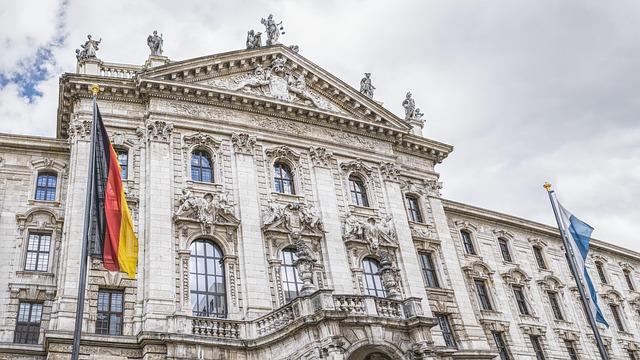
The United States is reportedly preparing to impose sanctions targeting the entire International Criminal Court (ICC),according to Reuters. This potential move marks a important escalation in the ongoing tensions between Washington and the Hague-based tribunal,which has long faced opposition from the U.S. over its investigations into American personnel and allies. The anticipated sanctions could have far-reaching implications for international justice and diplomatic relations, as the ICC continues its efforts to hold individuals accountable for war crimes, genocide, and crimes against humanity worldwide.
US Considers Broad Sanctions Against International Criminal Court Officials
The U.S. government is reportedly exploring a significant escalation in its response to the International Criminal Court (ICC) by considering broad sanctions that could target the entire institution rather than individual officials. This move marks a sharp shift from previous diplomatic strategies, reflecting heightened tensions over ongoing investigations involving American personnel and allies. Sources familiar with the matter suggest the sanctions would include financial restrictions, visa bans, and potential limits on international financial transactions linked to ICC operations.
Key implications of these sanctions could include:
- Freezing of ICC officials’ U.S.-based assets.
- Prohibition of U.S. citizens and companies from doing business with designated ICC personnel and entities.
- Enhanced diplomatic pressure on ICC member countries to reassess their cooperation with the court.
| Potential Sanction Type | Impact | Estimated Timeline |
|---|---|---|
| Asset Freeze | Blocks access to financial accounts | Within 1-2 months |
| Visa Restrictions | Bans travel to the U.S. for officials | Immediate to short-term |
| Trade and Business Restrictions | Limits ICC dealings with U.S. entities | 3-6 months |
Implications for Global Justice and US Foreign Policy
The potential imposition of broad sanctions on the International Criminal Court (ICC) by the United States marks a significant shift in international relations and raises complex questions about the balance between sovereignty and global accountability. For decades, the ICC has been a critical player in pursuing justice for crimes against humanity, war crimes, and genocide, championing a system where no individual, regardless of their position, is above the law. However, these looming sanctions could undermine the court’s authority and set a precedent where geopolitical interests override legal norms.
From a foreign policy outlook, this move may strain the US’s relationships with conventional allies and emerging powers alike, many of whom see the ICC as a vital pillar of the international justice system. The implications extend beyond legal debates, potentially impacting:
- Diplomatic alliances – as partners weigh their positions between supporting international justice and maintaining alignment with US policies.
- Global governance – heightening tensions within multilateral institutions tasked with upholding peace and human rights standards.
- Legal cooperation – risking reduced collaboration on critical investigations involving war crimes and crimes against humanity.
| Area | Potential Impact |
|---|---|
| International Law | Weakened enforcement of ICC rulings |
| US Global Standing | Perceived as undermining justice initiatives |
| Allied Relations | Increased diplomatic friction with ICC supporters |
| Human Rights | Potential setbacks in accountability mechanisms |
Potential Impact on International Relations and Legal Cooperation
The proposed sanctions against the International Criminal Court (ICC) could mark a significant turning point in global diplomatic dynamics. Such measures might prompt a re-evaluation of alliances, as countries weigh their commitments to international justice against geopolitical and economic considerations. Key partners of the United States are expected to face complex choices, potentially affecting existing treaties and collaborative efforts in human rights and war crimes investigations. The move risks deepening divisions between nations advocating for legal accountability and those prioritizing sovereignty or strategic interests.
Legal cooperation between the ICC and national jurisdictions may also be profoundly disrupted. The imposition of sanctions could lead to:
- Reduced compliance with ICC-issued warrants and subpoenas
- Hindered evidence sharing and witness protection programs
- Delayed or blocked funding streams critical for ICC operations
This breakdown could undermine the ICC’s effectiveness in prosecuting grave crimes, complicating international efforts to uphold justice. The following table illustrates potential areas of cooperation at risk and their broader implications:
| Area of Cooperation | Potential Impact | Broader Implication |
|---|---|---|
| Extradition Assistance | Delays, refusals | Cases prolonged, suspects evade justice |
| Financial Support | Funding cuts, operational strain | Reduced trial capacity, fewer investigations |
| Information Sharing | Restricted access to intelligence | Weakened prosecutorial evidence |
Recommendations for Navigating Escalating Diplomatic Tensions
In the current landscape marked by intensifying diplomatic strains, it is imperative for governments and international organizations to adopt flexible and strategic approaches. Prioritizing open channels of dialog can prevent misunderstandings from escalating into open conflict. Decision-makers are encouraged to engage in multilateral dialogues that emphasize common interests and mutual respect, rather than unilateral actions that risk deepening divisions.
Moreover, fostering collaborative frameworks that involve neutral mediators can definitely help de-escalate tensions more efficiently. Key recommendations include:
- Establishing crisis response teams capable of rapid intervention and mediation.
- Promoting transparency around policy decisions to build trust among conflicting parties.
- Investing in diplomatic training focused on conflict resolution and cultural sensitivity.
| Strategy | Benefit | Potential Challenge |
|---|---|---|
| Crisis Response Teams | Rapid conflict mitigation | Resource allocation |
| Policy Transparency | Builds mutual trust | Risk of sensitive leaks |
| Diplomatic Training | Enhances negotiation skills | Time-intensive |
To Conclude
As tensions escalate between the United States and the International Criminal Court, the potential for sweeping sanctions marks a significant deterioration in relations. Observers will be watching closely to see how both sides navigate this growing rift, which could have far-reaching implications for international justice and diplomatic engagement. Further developments are expected as the situation unfolds.