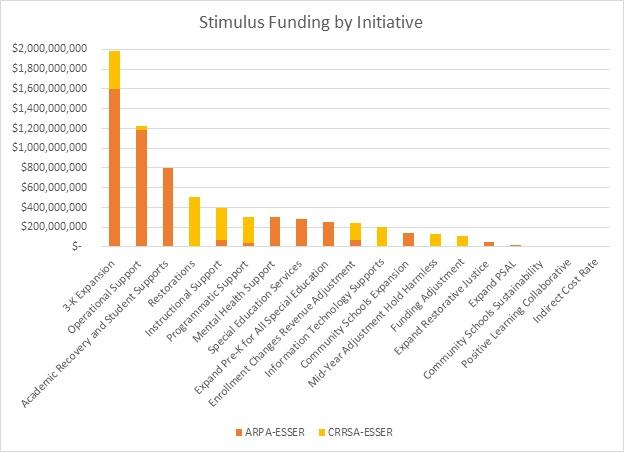
New York state schools outpaced every other state in the nation for education spending during the 2021-22 fiscal year, according to a recent report by the Empire Center for Public Policy. The analysis reveals that New York’s per-student expenditures surpassed all others by a historic margin, highlighting the state’s continued commitment to funding public education amid ongoing economic challenges. This record-breaking investment raises questions about the effectiveness and efficiency of school budgets as policymakers and the public scrutinize the outcomes linked to such significant spending.
New York School Spending Surges Ahead of National Peers in 2021-22
New York’s investment in public education reached unprecedented levels during the 2021-22 school year, outpacing all other states by a substantial margin. According to data compiled by the Empire Center for Public Policy, the state increased per-pupil spending dramatically amidst challenges posed by the post-pandemic recovery. While many states struggled to restore or maintain funding, New York leveraged a surge in federal aid combined with state resources to accelerate investment in schools at a scale unseen nationwide.
Key factors behind this spending surge include:
- Targeted allocations for pandemic recovery programs
- Expansion of mental health and support services for students
- Enhanced technology and infrastructure upgrades
- Increased teacher salaries and benefits aimed at retention
| State | Per-Pupil Spending (2021-22) | Percent Increase from 2020-21 |
|---|---|---|
| New York | $25,200 | 12.4% |
| California | $15,800 | 5.6% |
| Texas | $11,200 | 4.8% |
| Florida | $10,900 | 3.9% |
Key Drivers Behind New York’s Record Education Expenditure Revealed
New York’s unprecedented surge in educational expenditure during the 2021-22 fiscal year can be primarily attributed to several pivotal factors. Major increases in teacher salaries and benefits consumed a substantial portion of the budget,reflecting the state’s commitment to attracting and retaining qualified educators amid competitive labor markets. Additionally, the influx of federal pandemic relief funds, combined with state-level initiatives to modernize school infrastructure and amplify technological access, significantly amplified spending.These combined dynamics pushed New York ahead of all other states by a record margin.
Key contributors to the spending growth include:
- Salary and Benefits: Competitive wage adjustments and enhanced health benefits.
- Federal Aid Programs: Targeted COVID-19 relief funds allocated for remote learning and safety upgrades.
- Capital Investments: Expanding broadband access and renovating aging school facilities.
- Student Support Services: Increased funding for mental health and special education programs.
| Category | 2020-21 Spending (in billions) | 2021-22 Spending (in billions) | Growth (%) |
|---|---|---|---|
| Salaries & Benefits | $34.2 | $38.9 | 13.7% |
| Federal COVID-19 Aid | $2.5 | $6.8 | 172% |
| Infrastructure & Tech | $4.1 | $5.6 | 36.6% |
| Student Support | $3.3 | $4.5 | 36.4% |
Impact of Elevated Funding on Student Outcomes and District Efficiency
The substantial increase in New York school funding has generated a robust debate concerning its tangible effects on student achievement and overall district efficiency. While districts have made strides in implementing advanced educational technologies and expanding extracurricular programs,_standardized test scores_ and graduation rates have shown only modest improvement in many cases. Critics argue that despite the influx of funds, systemic challenges like overcrowded classrooms and under-resourced schools in underserved areas remain significant hurdles.
Efficiency metrics reveal a complex picture.Some districts have successfully maximized their budgets by hiring additional support staff and upgrading infrastructure, which correlates with improved student engagement metrics.Though, concerns persist regarding administrative overhead and the equitable distribution of resources. The table below highlights a comparative summary of average spending per pupil and key student outcome indicators in selected districts:
| District | Spending per Pupil | Graduation Rate | Student-Teacher Ratio |
|---|---|---|---|
| NYC | $25,000 | 78% | 15:1 |
| Westchester | $23,500 | 85% | 14:1 |
| Albany | $22,100 | 80% | 16:1 |
- Investment in teacher growth contributes to long-term gains but requires continuous funding.
- Uneven spending growth often correlates with differing district priorities and leadership effectiveness.
- Balanced allocation between classroom needs and administrative costs is crucial for sustainability.
Policy Recommendations for Sustainable and Equitable School Budgeting
To ensure that school funding promotes both sustainability and equity, policymakers should prioritize directing resources towards underserved communities and programs that address educational disparities. This involves increasing openness in budget allocations,so stakeholders can better understand how funds are distributed and used. Emphasizing long-term fiscal planning rather than short-term fixes will help avoid future budget shortfalls and ensure resources support consistent academic progress. Additionally, integrating community voices in budgeting decisions can foster trust and create spending plans that truly reflect local needs.
Innovation in funding models is also critical. Transitioning to a needs-based formula,rather than relying solely on per-pupil spending,can drive fairness in how resources reach students with varying challenges. Below is a suggested framework for equitable resource allocation that districts might adopt:
| Funding Category | Percentage of Budget | Target Group |
|---|---|---|
| Core Instruction | 50% | All Students |
| Special Education & ESL | 25% | Students with disabilities, ELL learners |
| Community & Enrichment Services | 15% | Low-income families, after-school programs |
| Administrative & Operational Costs | 10% | District management |
Implementing these strategies can definitely help close achievement gaps while maintaining fiscal responsibility, ensuring that every dollar spent directly benefits the students who need it most.
Key Takeaways
As New York continues to top the nation in school spending by a substantial margin, the data from the 2021-22 fiscal year underscores ongoing debates about education funding priorities and effectiveness. While high expenditure reflects the state’s commitment to its public schools, questions remain about how these resources translate into student outcomes. Policymakers and stakeholders will closely watch how New York balances investment with accountability in the years ahead.