
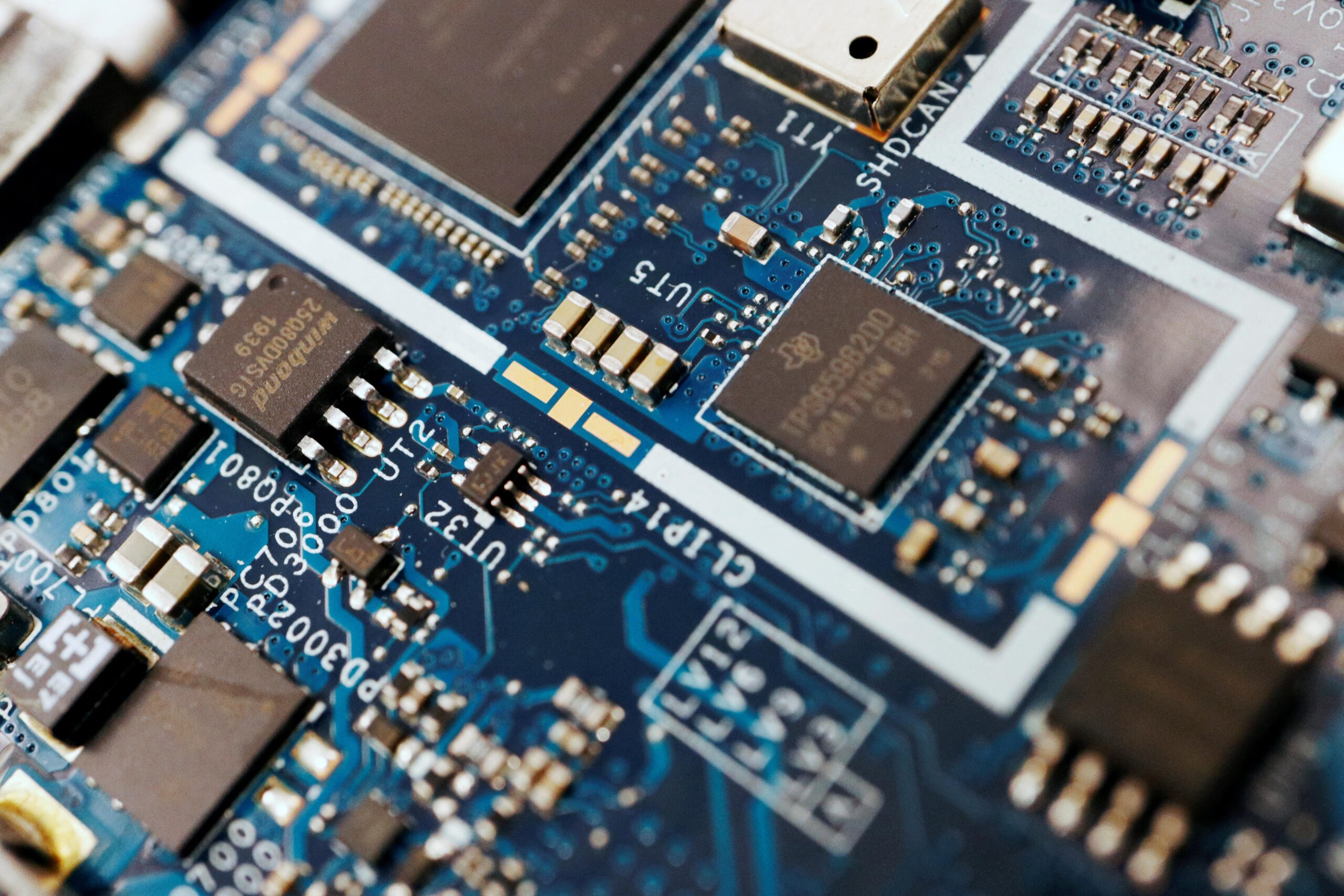
In the ongoing saga of U.S.-China trade tensions, the semiconductor industry occupies a critical battleground. While former President Donald Trump’s administration imposed sweeping tariffs on a broad range of Chinese goods, notably excluding semiconductor chips, concerns persist in Taiwan-home to the world’s leading chip manufacturers. Despite the tariff carve-out, Taiwanese industry leaders and government officials remain cautious, wary of the broader geopolitical and economic uncertainties that continue to shadow the vital semiconductor supply chain. This article explores the complexities behind the tariff exclusions and examines why Taiwan’s semiconductor sector remains on alert amid shifting U.S.-China trade policies.
Trump’s Tariffs Exempt Semiconductor Imports Amid Trade Tensions
While President Trump’s imposition of tariffs on a wide range of imports has significantly affected global trade dynamics, semiconductor chips have notably been spared. This exemption comes as a strategic move to avoid disrupting the vital supply chain for electronics and technology industries that heavily rely on these components. Despite the relief this exemption offers, concerns persist in Taiwan – a key player in semiconductor production – about the broader implications of ongoing trade tensions, especially with the United States and China at odds.
Industry experts in Taiwan highlight several key worries:
- Potential for future tariff expansions targeting other tech components.
- Uncertainty in long-term U.S.-China trade relations affecting investment decisions.
- Risk of supply chain fragmentation and increased manufacturing costs.
| Aspect | Current Status | Impact on Taiwan |
|---|---|---|
| Tariffs on Semiconductors | Exempted | Short-term stability |
| Trade Talks | Ongoing with fluctuating progress | Creates uncertainty |
| Supply Chain | Robust but vulnerable | Heightened risk of disruption |
Taiwan’s Semiconductor Industry Faces Persistent Geopolitical Uncertainty
The semiconductor sector in Taiwan remains deeply entangled in a web of international tensions, despite U.S. President Donald Trump’s exclusion of chips from his broader tariff initiatives. Industry leaders and policymakers in Taiwan are closely monitoring the situation, aware that geopolitical uncertainties cast a long shadow over supply chains which are critical to global electronics manufacturing. Taiwan’s dominance in advanced chip fabrication is both an economic boon and a potential vulnerability amid rising cross-strait tensions with China and tightening U.S.-China tech relations.
Key concerns for the Taiwanese semiconductor industry include:
- Preserving access and collaboration with U.S. technology partners without infringing on export controls.
- Avoiding disruptions in the supply chain caused by escalating diplomatic disputes.
- Balancing investment in domestic innovation while navigating external pressures.
| Factor | Impact |
|---|---|
| U.S. Export Policies | Restricts certain technology sales, increasing sourcing complexity |
| Cross-Strait Relations | Elicits risk of supply chain disruptions amid political uncertainty |
| Global Chip Demand | Maintains pressure for capacity expansion despite risks |
Experts Advise Enhanced Diplomatic Engagement to Safeguard Chip Supply Chains
Amid ongoing geopolitical tensions, industry experts underscore the critical need for robust diplomatic initiatives to maintain the stability of global semiconductor supply chains. While tariffs imposed by the Trump administration notably excluded chips, Taiwan’s semiconductor sector remains vigilant. Experts stress that enhanced collaboration between governments and private stakeholders is essential to mitigate risks arising from political uncertainty, export controls, and regional conflicts. This approach includes fostering transparent communication channels and promoting multilateral agreements to ensure uninterrupted production and distribution.
Key recommendations highlighted by analysts include:
- Establishing cross-border task forces dedicated to supply chain resilience
- Implementing joint crisis response protocols
- Encouraging shared investment in semiconductor innovation hubs
- Strengthening export regulations to balance security and trade efficiency
| Focus Area | Strategy | Expected Outcome |
|---|---|---|
| Diplomatic Liaison | Regular bilateral meetings | Improved risk management |
| Supply Chain Transparency | Real-time data sharing platforms | Faster response times |
| Innovation Funding | Collaborative research programs | Technological advancement |
Strategic Investments Urged to Strengthen Taiwan’s Technological Autonomy
Amid persistent geopolitical tensions and supply chain vulnerabilities exposed in recent years, Taiwanese policymakers and industry leaders are increasingly advocating for significant strategic investments in the island’s semiconductor sector. The aim is to bolster domestic research and advancement capabilities, reduce reliance on foreign entities, and build resilient manufacturing ecosystems.Central to this approach is fostering innovation in advanced chip manufacturing technologies, as well as expanding local production capacity to meet both global and domestic demands.
Key initiatives under consideration include:
- Government grants and subsidies targeted at emerging tech startups specializing in semiconductor design and fabrication.
- Public-private partnerships to accelerate infrastructure upgrades and scale cutting-edge research facilities.
- Talent development programs to cultivate a skilled workforce capable of driving future innovation.
| Investment Area | Primary Focus | Expected Outcome |
|---|---|---|
| R&D Funding | Next-gen chip innovation | Increased tech autonomy |
| Manufacturing Expansion | Fabrication facilities | Supply chain resilience |
| Workforce Training | Technical skills development | Talent pipeline growth |
Wrapping Up
As semiconductor technology continues to play a critical role in the global economy, Taiwan’s cautious stance highlights the complexities beyond tariff policies. While President Trump’s restrictions have largely spared the chip industry, the island’s leaders remain vigilant amid ongoing geopolitical tensions and supply chain uncertainties. The evolving relationship between U.S. trade measures and Taiwan’s semiconductor sector will be a key area to watch in the coming months, reflecting broader challenges at the intersection of technology, trade, and national security.